
Heat Stroke vs Heat Exhaustion: Know the Difference Before It’s Too Late.
Heat Stroke vs Heat Exhaustion: Know the Difference Before It’s Too Late.
This year’s summer has been particularly intense, with rising temperatures and prolonged heat waves affecting people across many regions. Hospitals are witnessing a rise in instances of dehydration, fatigue, heat exhaustion, and heat stroke occurring as extreme heat exposure becomes increasingly prevalent in everyday life.
Many people use the terms ‘heat exhaustion’ and ‘heat stroke’ but don’t know the difference between them.
No doubt both are caused due to heavy exposure to heat, but one can be managed with timely care, while the other can be dangerous to your life within a few minutes.
Grasping the distinction between heat exhaustion and heat stroke enables you to identify warning signs promptly and act swiftly before the situation escalates into a serious threat.
What is heat exhaustion?
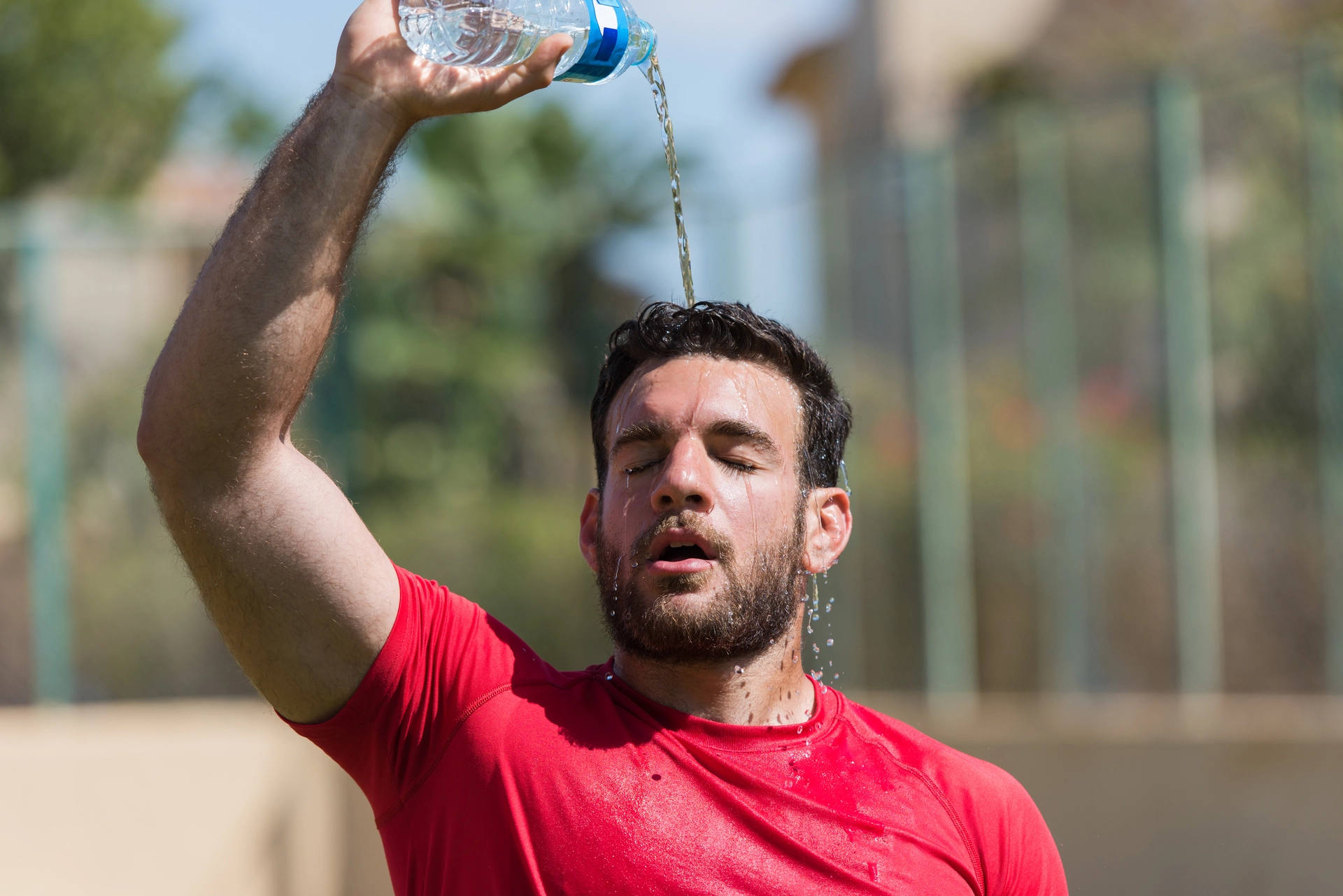
Heat exhaustion occurs when the body loses excessive water and salts due to sweating, usually because of high temperatures, dehydration, or physical activity in hot environments.
The body sends out a warning signal indicating that it is having difficulty maintaining proper temperature regulation.
Common symptoms of heat exhaustion:
- Heavy sweating
- Weakness or fatigue
- Dizziness
- Headache
- Muscle cramps
- Nausea or vomiting
- Excessive thirst
- Cold, pale, or clammy skin
- Fast but weak pulse
What to do if someone has heat exhaustion?
If someone starts to exhibit signs of heat exhaustion, it is crucial to take immediate action to prevent the situation from escalating into heatstroke.
Relocate them to a cooler or shaded area
Quickly move the individual away from direct sunlight. An air-conditioned space, a shaded location, or a cool indoor setting can effectively help lower their body temperature more rapidly.
Provide water or oral rehydration solutions
Loosen tight or heavy clothing
Use cool cloths or a fan
Promote complete rest
If symptoms continue for more than an hour or worsen, or the person becomes confused or unconscious or develops a very high fever, seek immediate medical attention, as it may be progressing towards heat stroke.
Who is more at risk?
Some groups are particularly susceptible to heat-related health issues:
Workers & Individuals with heart conditions who spend time outdoors, athletes
Additionally, high humidity, exposure to direct sunlight, inadequate ventilation, and dehydration heighten the risk.
Prevention is the best action you can take.
- Drink plenty of water throughout the day
- Avoid direct sun exposure during peak afternoon hours
- Wear light and breathable clothing
- Avoid excessive outdoor activity in extreme heat
- Never ignore symptoms like dizziness, weakness, or confusion
Summer heat should not be taken lightly, especially this year’s record-breaking summer.
Recognising the symptoms of heat exhaustion and understanding when it can convert into heatstroke can save many lives.
Timely action, hydration, and awareness are the strongest defences against dangerous heat-related conditions.
Conclusion
Summer heat should never be taken lightly, especially during this year’s extreme temperatures. Recognising the signs of heat exhaustion early and understanding when it can progress to heat stroke can save lives.
Timely action, proper hydration, and awareness remain the strongest defence against dangerous heat-related conditions.
If you or your loved ones experience warning signs related to severe heat exposure, don’t wait for symptoms to worsen. Get expert guidance, advanced emergency care, and timely support from experienced healthcare professionals in Thane. Your safety starts with acting early.
Frequently Asked Questions (FAQ)
The major difference is severity. Heat exhaustion is an early warning condition caused by dehydration and overheating, while heat stroke is a medical emergency where the body loses its ability to control temperature.
Yes. If heat exhaustion is ignored or untreated, it can rapidly progress into heat stroke, which can become life-threatening.
Mild heat exhaustion may improve within a few hours with rest, cooling, and hydration. Persistent or worsening symptoms require medical attention.
Immediate medical care is needed if there is confusion, unconsciousness, seizures, difficulty speaking, very high fever, or symptoms that do not improve quickly.
People in Thane should stay hydrated, avoid direct sun exposure during peak afternoon hours, wear breathable clothing, and avoid excessive outdoor activity during heat waves.
Contact Details
Name: Horizon Prime Hospital in Thane
Address: Vibgyor, Ghodbunder Rd, near Hiranandani Estate, behind Ritu Nissan Showroom, B Wing, Patlipada, Thane West, Thane, Maharashtra 400607
Phone: 022 6855 6855
Website: prime.horizonhospital.com