
Lung Cancer Treatment: When Are Surgery, Radiation or Drug Therapies Considered?
Lung Cancer Treatment: When Are Surgery, Radiation or Drug Therapies Considered?
Lung cancer treatment isn’t a one-size-fits-all approach. The same diagnosis can lead to very different treatment plans depending on the patient and the cancer.
While some patients may benefit from surgery, others may need radiation, chemotherapy, immunotherapy, or targeted drugs. So, how do doctors decide which treatment is right for whom?
When is surgery recommended?
Surgery is generally considered when the cancer is localised and can be safely removed.
- Early-stage lung cancer: When the tumour is limited and hasn’t spread extensively.
- Tumour location: When the cancer can be removed while preserving as much healthy lung tissue as possible.
- Patient’s fitness: When lung and heart function are adequate to tolerate surgery.
Depending on the tumour, surgery may involve removing a small portion of the lung, a segment, or an entire lobe.
When is radiation therapy considered?
Radiation therapy uses high-energy beams to destroy cancer cells. It may be recommended:
- When surgery is not possible due to the tumour’s location or the patient’s health.
- For small, localised lung tumours in patients who may not be suitable for surgery.
- Along with chemotherapy in certain locally advanced cancers.
- To manage cancer-related symptoms or treat cancer that has spread to specific areas.
In selected cases, advanced radiation techniques can deliver precise treatment to the tumour while limiting exposure to surrounding healthy tissues.
When are drug therapies used?
Drug therapies work throughout the body and may be recommended depending on the cancer type, stage, and test results.
Chemotherapy:
- May be given before surgery to shrink the tumour.
- May be recommended after surgery to reduce the risk of recurrence.
- Can be combined with radiation or used for advanced cancer.
Targeted Therapy:
- Used when the cancer has specific genetic changes or mutations.
- Targets particular pathways involved in cancer cell growth.
- Requires biomarker or molecular testing to determine suitability.
Immunotherapy:
- Helps the immune system recognise and attack cancer cells.
- May be used alone or alongside other treatments.
- Its suitability depends on the cancer type, stage, and specific test findings.
Why do some patients receive a combination of treatments?
Cancer treatment is not always limited to one approach. Doctors may recommend a combination depending on:
- The stage and extent of cancer.
- Whether the cancer has spread to lymph nodes or other organs.
- The tumour’s size and location.
- Molecular and biomarker test results.
- The patient’s lung function and overall health.
Chemotherapy or radiation may be given before surgery to shrink a tumour, or after surgery to reduce the risk of recurrence. Some patients may receive chemotherapy and radiation together.
How is the final treatment plan decided?
Before starting treatment, the medical team may consider:
- Biopsy findings to confirm the type of lung cancer.
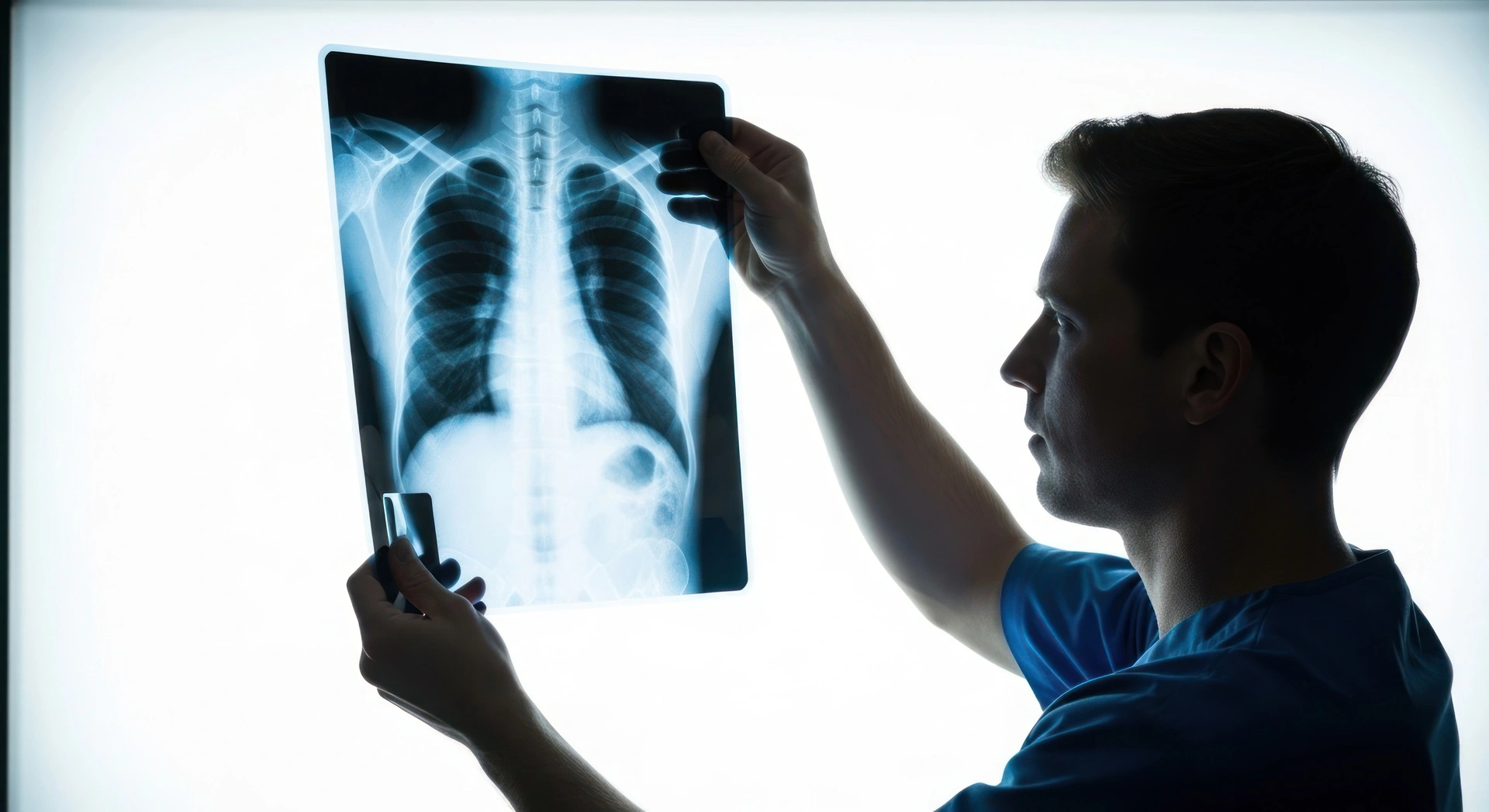
- Imaging scans to determine its stage and spread.
- Molecular testing to identify potential targeted treatments.
- Lung function and fitness for surgery.
- Expected benefits, risks and side effects of each treatment.
The most suitable treatment is one that considers both the cancer and the patient. A personalised approach helps determine whether surgery, radiation, drug therapy, or a combination offers the most appropriate way forward.
Conclusion
Have questions about lung cancer or available treatment options? Connect with Horizon Hospital for information about available oncology consultations.
Learn more about the consulting oncologist’s qualifications, professional background and areas of practice.
Explore information about oncology services, cancer evaluation and available treatment approaches.
Frequently Asked Questions (FAQ)
Lung cancer treatment options include surgery, radiation therapy, chemotherapy, targeted therapy and immunotherapy.
Cancer spread, tumour location, lung function and surgical risks may make surgery unsuitable for certain patients.
Biopsy, imaging scans, molecular testing and lung function assessments help determine appropriate treatment options.
Molecular testing helps identify specific genetic alterations that may determine eligibility for targeted therapies.
Combining treatments may help address cancer at different sites, improve disease control or reduce the risk of recurrence in selected patients.
Contact Details
Name: Horizon Prime Hospital in Thane
Address: Vibgyor, Ghodbunder Rd, near Hiranandani Estate, behind Ritu Nissan Showroom, B Wing, Patlipada, Thane West, Thane, Maharashtra 400607
Phone: 022 6855 6855
Website: prime.horizonhospital.com