
Snoring: Is It Normal or a Sign of Sleep Apnea?
Snoring: Is It Normal or a Sign of Sleep Apnea?
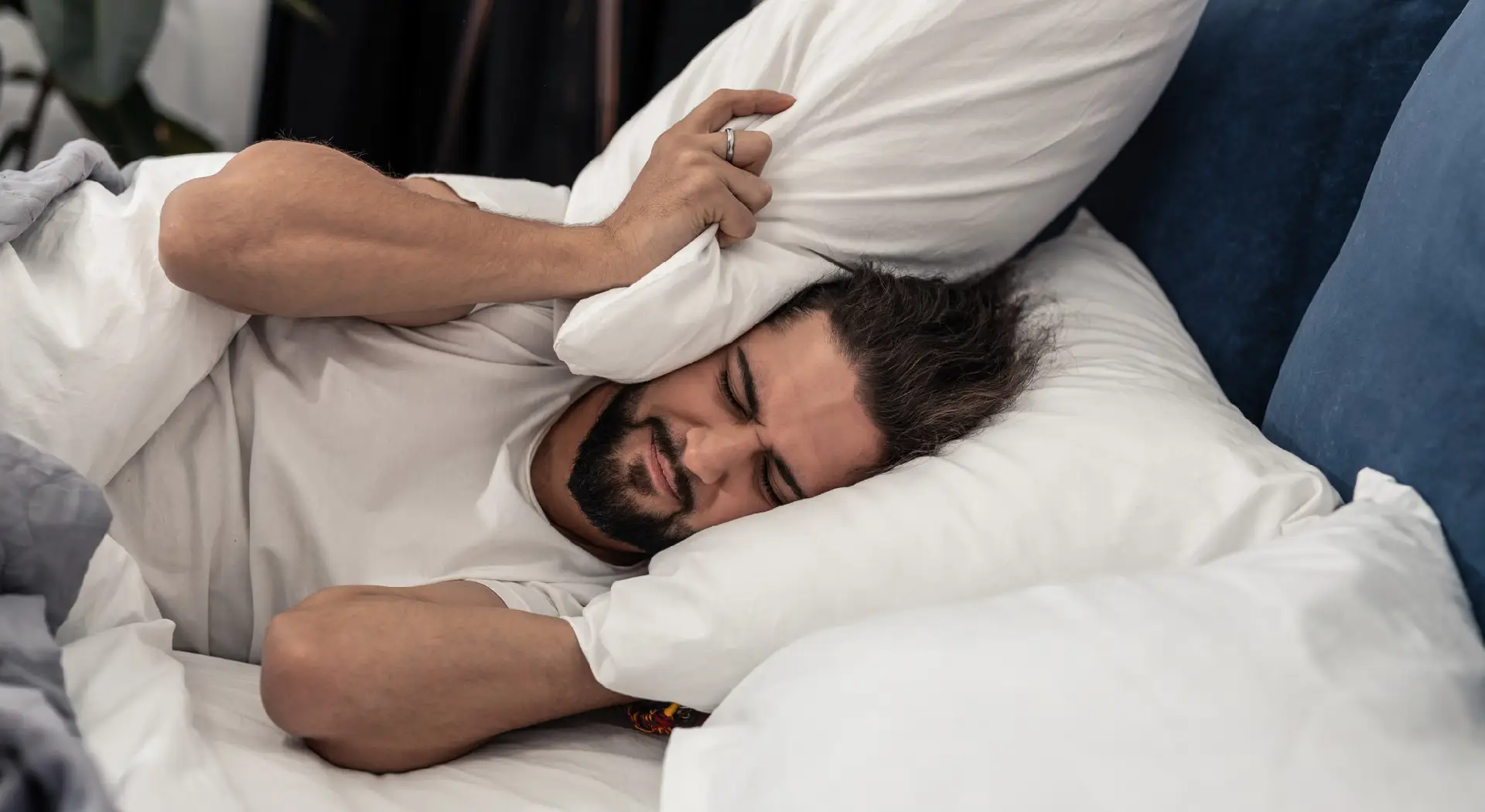
“You snore so loudly that I can hear you from the other room!”
If your partner, parent or child has said this to you, you may have laughed it off as just another part of sleeping.
As a doctor, however, I would not always dismiss loud or frequent snoring.
Sometimes snoring is harmless.
But sometimes, it can be a sign that your breathing is being interrupted during sleep.This condition is called Obstructive Sleep Apnea (OSA), and it deserves medical attention.
How do I know if your snoring could be more than “just snoring”?
1. Your snoring is loud and happens regularly
- Occasional snoring can happen when you are tired, congested or sleeping in certain positions.
- But loud snoring that occurs most nights is worth discussing with a doctor.
- Persistent snoring can sometimes indicate narrowing or blockage of the upper airway during sleep.
2. Someone notices that you stop breathing
- This is one of the most important warning signs.
- Your partner may notice periods of silence followed by gasping, choking or loud snoring.
- You may not remember these episodes because they happen while you are asleep.
- If someone has noticed this, I would recommend getting evaluated rather than simply ignoring it.
3. You wake up gasping or choking
- Waking suddenly because you feel like you cannot breathe is not something I would consider normal.
- It can happen when the airway becomes blocked during sleep.
- Repeated episodes should be assessed by a sleep or respiratory specialist.
4. You are tired even after getting enough sleep
- Do you wake up after 7 or 8 hours of sleep and still feel exhausted?
- Do you struggle to stay awake during the day?
- Poor-quality sleep caused by repeated breathing interruptions can leave you feeling tired and unrefreshed.
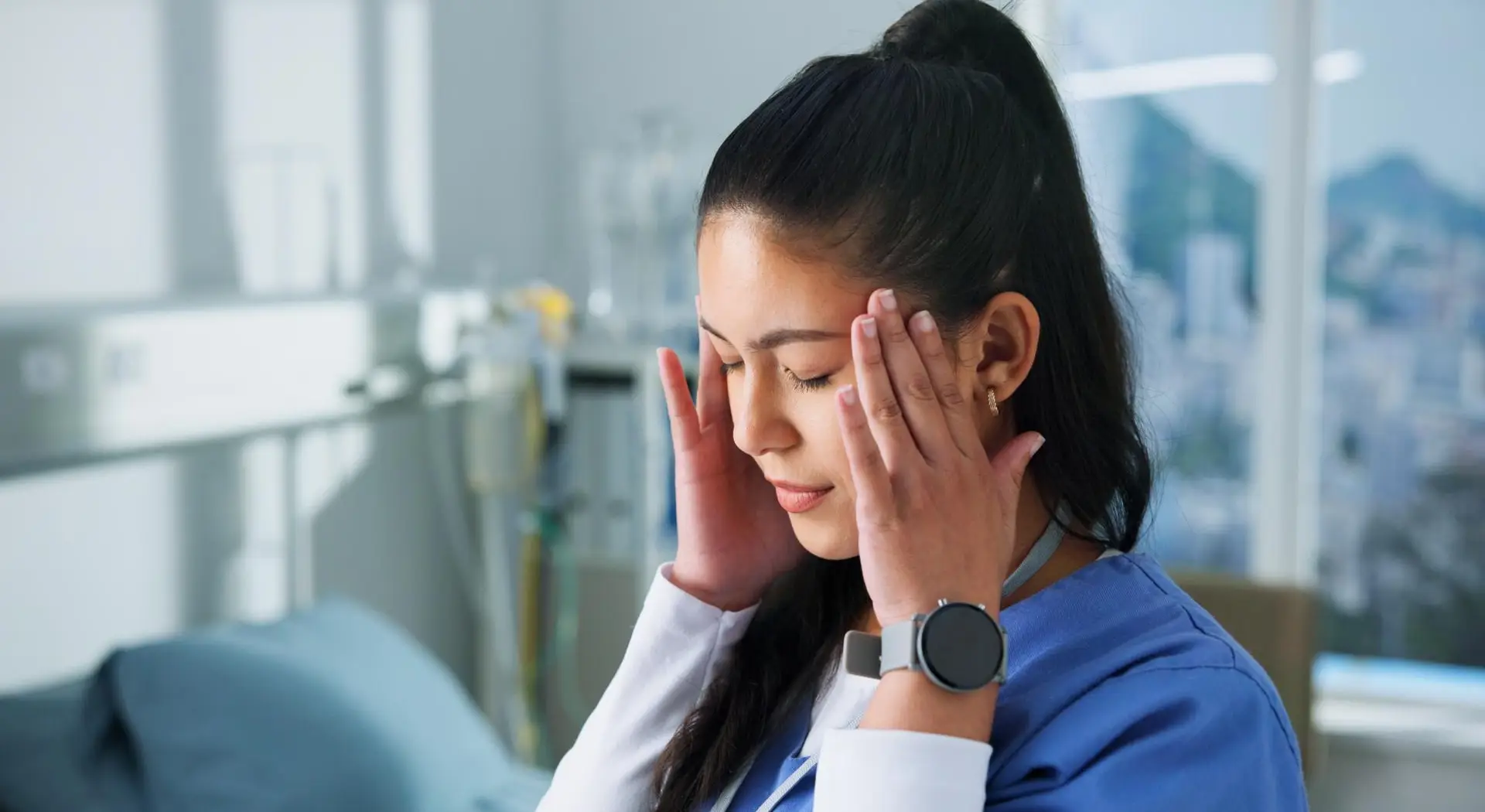
- Morning headaches and difficulty concentrating can also occur in people with sleep apnea.
5. You have risk factors for sleep apnea
- Being overweight or having obesity can increase the risk of obstructive sleep apnea.
- Other factors can include increasing age, certain anatomical features, nasal obstruction and a family history of the condition.
- However, sleep apnea can affect people who are not overweight too, so body weight alone cannot rule it out.
Is every person who snores suffering from sleep apnea?
- No. Snoring by itself does not mean you have sleep apnea.
- However, loud and frequent snoring combined with breathing pauses, gasping, daytime sleepiness or morning headaches deserves further evaluation.
- A doctor can assess your symptoms and determine whether a sleep study is appropriate.
Why should sleep apnea be taken seriously?
- Untreated sleep apnea can affect your sleep quality and daytime functioning.
- Over time, it can also be associated with conditions such as high blood pressure and other cardiovascular problems.
- Identifying and treating sleep apnea can improve sleep quality and help protect your overall health.
What should you do if you suspect sleep apnea?
- Do not simply accept loud, persistent snoring as something you have to live with.
- Ask your sleeping partner whether they have noticed breathing pauses or gasping during the night.
- Discuss persistent snoring, daytime sleepiness or other symptoms with a doctor.
- Depending on your symptoms and risk factors, you may be advised to undergo a sleep study to understand what happens to your breathing while you sleep.
My advice as a doctor
- Snoring may sound harmless, but sometimes it is your body’s way of telling you that your airway is struggling at night.If you or someone you live with notices loud, persistent snoring, breathing pauses, gasping during sleep or excessive daytime sleepiness, consult the Pulmonology and Sleep Medicine Department at Horizon Prime Hospital for an evaluation.Better sleep is not just about being well-rested. It is about breathing well through the night.
Conclusion
Snoring is not always a cause for concern, but persistent loud snoring combined with breathing pauses, gasping, morning headaches or daytime sleepiness should not be ignored. Proper evaluation can help determine whether your symptoms are related to obstructive sleep apnea or another sleep disorder.
If you are experiencing these symptoms, Horizon Prime Hospital provides Sleep Apnea Treatment in Thane, including specialist evaluation and sleep studies to help identify sleep-related breathing disorders.
Frequently Asked Questions (FAQ)
No, but frequent loud snoring with gasping, breathing pauses or daytime sleepiness may indicate sleep apnea.
Loud snoring, breathing pauses, choking during sleep, morning headaches and excessive daytime tiredness are common warning signs.
A doctor may recommend a sleep study to monitor breathing, oxygen levels and other parameters while you sleep.
Consult a doctor if snoring is persistent, very loud or accompanied by gasping, breathing pauses or excessive daytime sleepiness.
Horizon Prime Hospital provides evaluation and treatment for sleep apnea, snoring and other sleep-related breathing disorders through its Sleep Medicine services.
Contact Details
Name: Horizon Prime Hospital in Thane
Address: Vibgyor, Ghodbunder Rd, near Hiranandani Estate, behind Ritu Nissan Showroom, B Wing, Patlipada, Thane West, Thane, Maharashtra 400607
Phone: 022 6855 6855
Website: prime.horizonhospital.com