

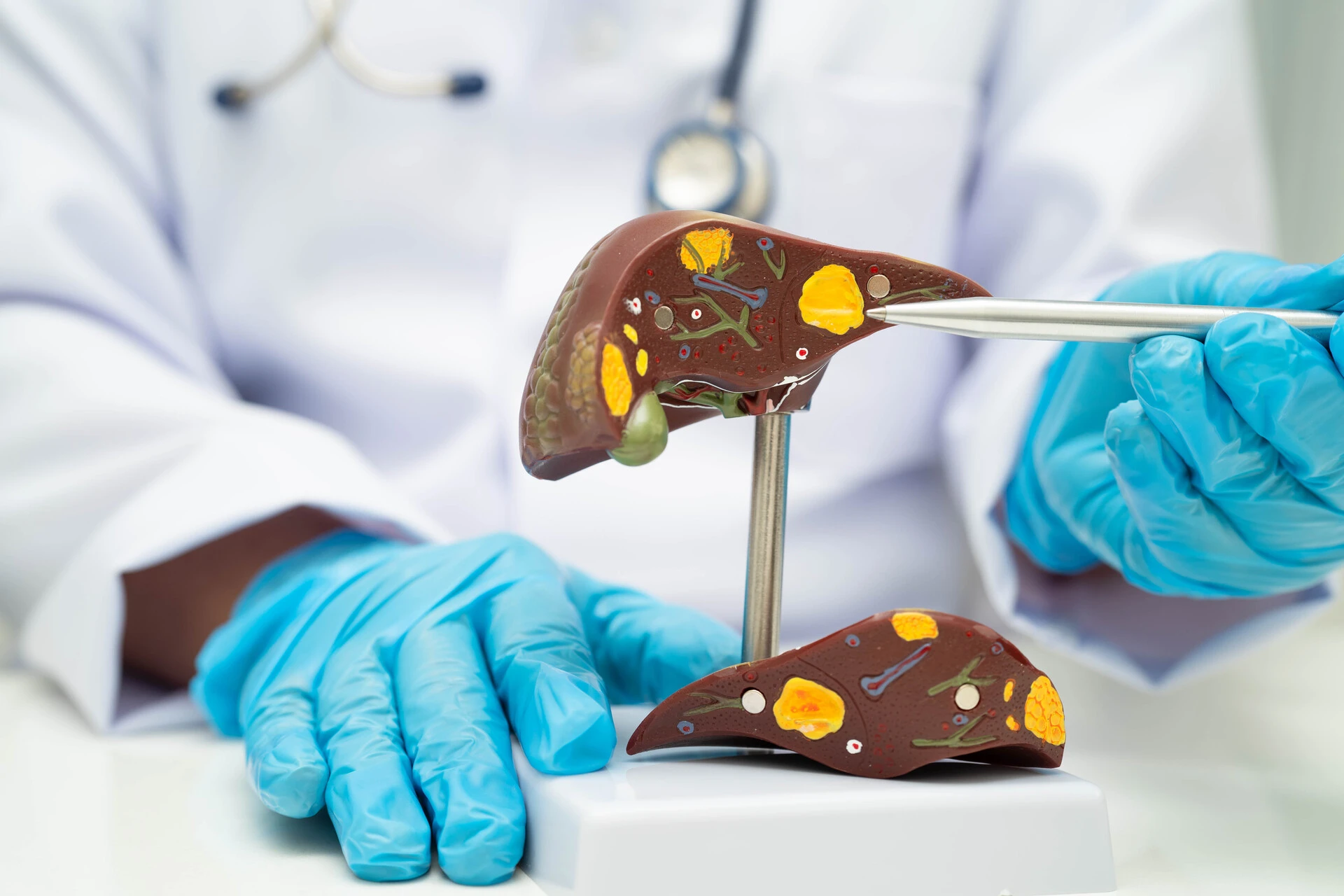
At What Stage Of Liver Cirrhosis Is A Transplant Needed?
At What Stage Of Liver Cirrhosis Is A Transplant Needed?
A liver cirrhosis diagnosis can raise a frightening question: “Will I eventually need a liver transplant?”
The answer depends on how much the liver has been damaged, whether it is still functioning adequately, and whether complications have developed.
Cirrhosis occurs when long-term liver damage causes scar tissue to replace healthy liver tissue. Although this scarring is generally permanent, treatment can help manage the underlying cause, slow further damage, and reduce complications.
In advanced cases, a liver transplant may become necessary.
Understanding The Stages Of Liver Cirrhosis
Cirrhosis is commonly described in terms of whether the liver is still coping with the damage or has developed complications.
- Compensated Cirrhosis
At this stage, the liver can still perform many of its essential functions despite scarring. Some people may have few or no noticeable symptoms.
A transplant is not usually required at this stage. Treatment focuses on addressing the underlying cause, monitoring liver function, and preventing complications.
- Decompensated Cirrhosis
This stage develops when the liver can no longer compensate adequately, and serious complications appear.
These may include:
– Fluid accumulation in the abdomen, known as ascites
– Vomiting blood or passing black stools due to gastrointestinal bleeding
– Yellowing of the skin and eyes, known as jaundice
– Confusion or changes in alertness due to hepatic encephalopathy
A liver transplant evaluation is generally considered when cirrhosis becomes decompensated, although the decision depends on the person’s overall condition and other clinical factors.
Does Every Patient With Advanced Cirrhosis Need A Transplant?
Not necessarily. The severity of liver disease, response to treatment, complications and overall health all influence the decision.
Doctors may use blood tests and scoring systems such as MELD-Na or MELD 3.0, depending on the setting, to assess disease severity and help guide transplant referral and prioritisation.
A transplant may be considered when:
– Liver function is deteriorating significantly.
– Complications keep recurring or become difficult to control.
– The risk of serious complications or death from liver disease is increasing.
– The expected benefits of transplantation outweigh its risks.
Importantly, there is no single cirrhosis stage or blood test result that determines the need for a transplant in every patient.
Can Cirrhosis Be Treated Without A Transplant?
In many cases, treatment can help manage cirrhosis and its complications, even though established scarring generally cannot be reversed completely.
Treatment may involve:
– Managing the underlying cause, such as hepatitis or alcohol-related liver disease
– Treating fluid retention and other complications
– Monitoring liver function and nutritional status
– Screening for liver cancer and other complications where appropriate
– Avoiding alcohol and reviewing medicines with a doctor
Patients with advanced cirrhosis may still need transplant assessment alongside ongoing treatment.
When Should You Seek Medical Attention?
People diagnosed with cirrhosis should attend regular follow-ups, even when they feel well.
Seek urgent medical care for vomiting blood, black stools, new confusion, or unusual drowsiness. Rapidly increasing abdominal swelling, worsening jaundice or fever with abdominal pain also require prompt medical assessment.
The Takeaway
A liver transplant is not automatically needed when cirrhosis is diagnosed. It becomes an important treatment consideration when liver function deteriorates, or serious complications develop.
Early assessment and timely referral can help determine the most appropriate treatment before the condition progresses further.
Conclusion
Have questions about liver cirrhosis or transplant evaluation? Connect to Horizon Prime Hospital for appointment information.
Learn more about Dr. Chetan Kalal, his qualifications, and his clinical work in liver disease management and transplant care.
Understand the assessment and treatment options available for liver cirrhosis, including liver transplant evaluation and referral.
Frequently Asked Questions (FAQ)
A liver transplant evaluation is generally recommended when cirrhosis becomes decompensated or serious liver-related complications develop.
A transplant may be needed when the damaged liver can no longer function adequately and other treatments cannot sufficiently manage the disease.
Common warning signs include abdominal fluid accumulation, jaundice, gastrointestinal bleeding, and confusion.
MELD scores help doctors assess liver disease severity and inform transplant evaluation and prioritisation.
Treatment may include managing the underlying cause, prescribed medicines, nutritional support, regular monitoring, and treatment of complications.
Contact Details
Name: Horizon Prime Hospital in Thane
Address: Vibgyor, Ghodbunder Rd, near Hiranandani Estate, behind Ritu Nissan Showroom, B Wing, Patlipada, Thane West, Thane, Maharashtra 400607
Phone: 022 6855 6855
Website: prime.horizonhospital.com