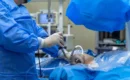


Angioplasty After a Heart Attack: When Is It Done Immediately and When Can It Wait?
Angioplasty After a Heart Attack: When Is It Done Immediately and When Can It Wait?
When someone is rushed to a hospital following a heart attack, one of the first questions that arises for the medical team and for the family standing anxiously outside is, ‘Does this patient need angioplasty right now?’
Well, this question has multiple answers; sometimes this procedure needs to be done immediately, and on the other hand, sometimes it’s planned for days later.
In this blog, you will understand the reason behind these decisions, which can help families feel less overwhelmed during times of emergencies.
This blog explains what angioplasty is, how it works and most importantly, when it is done immediately after a heart attack and when it can safely wait.
What Is Angioplasty?
Angioplasty, formally known as percutaneous coronary intervention (PCI), is a minimally invasive procedure used to open blocked or narrowed coronary arteries that supply blood to the heart muscle.
During a heart attack, one or more of these arteries become completely or partially blocked, usually by a ruptured plaque and subsequent blood clot. This cuts off the blood supply to a portion of the heart. The longer that portion of the heart remains without blood, the more muscle is permanently damaged.
Angioplasty tackles this issue by introducing a slender, flexible tube (catheter) into an artery, usually via the wrist or groin. Directing the catheter to the obstructed coronary artery with the help of X-ray imaging. Expanding a tiny balloon at the blockage site to enlarge the artery. Inserting a small metal mesh tube known as a stent to ensure the artery remains open indefinitely.
How are a heart attack and angioplasty connected?
Not all heart attacks are identical. The type of heart attack a patient has experienced is the primary factor that determines whether angioplasty is needed immediately, later, or in combination with other treatments first.
STEMI (ST-Elevation Myocardial Infarction): This is the most severe type of heart attack, where a coronary artery is completely blocked.
NSTEMI (Non-ST-Elevation Myocardial Infarction): This occurs when a coronary artery is severely narrowed but not completely blocked.
Unstable angina: Not technically a heart attack, but a warning sign of chest pain at rest or with minimal exertion, indicating a dangerously narrowed artery that could become completely blocked at any moment.
When is Angioplasty needed? Emergency vs Planned treatment
Immediate Angioplasty for Heart Attack (STEMI)
- A STEMI heart attack is caused by a completely blocked heart artery and requires emergency angioplasty (primary PCI).
- Best results are achieved when treatment is performed within 90 minutes of hospital arrival.
- Immediate angioplasty can:
– Save heart muscle
– Reduce complications
– Improve survival rates
– Prevent heart failure
Signs you may need urgent Angioplasty:
- Severe or persistent chest pain
- ECG showing ongoing heart muscle damage
- Low blood pressure or cardiogenic shock
- Dangerous heart rhythm abnormalities
- Symptoms not improving with medication
When can angioplasty be planned?
- Patients with NSTEMI, unstable angina, or coronary artery disease may first receive medicines and undergo evaluation.
- Angioplasty is usually recommended within 24–72 hours for higher-risk patients.
- Stable, low-risk patients may undergo further tests before treatment.
Why does early treatment matter?
- Every minute counts during a heart attack.
- Early diagnosis and timely angioplasty help restore blood flow, protect heart function, and improve long-term recovery.
When to call emergency services immediately?
Do not drive yourself or wait to see if symptoms improve. Call for emergency assistance if you or someone around you experiences:
- Chest pain, pressure, or tightness lasting more than 15 minutes.
- Pain radiating to the arm, jaw, neck, or back.
- Sudden shortness of breath with or without chest pain.
- Profuse sweating, nausea, or vomiting alongside chest discomfort.
- Sudden loss of consciousness or collapse.
- Rapid, irregular, or pounding heartbeat with dizziness.
Conclusion
Angioplasty after a heart attack is not a single, fixed decision. It is a clinically guided choice made in seconds for some patients and over hours for others based on the type of heart attack, the stability of the patient, and the findings on ECG and imaging.
At Horizon Prime Hospital, our cardiology team is prepared for both. Whether it is an emergency primary PCI at 3 AM or a carefully planned intervention, every patient receives the same standard of precision, speed, and care.
Do not ignore warning signs. Consult the cardiology team at Horizon Prime Hospital for timely diagnosis, emergency heart care, and advanced angioplasty treatment.
Book an Appointment
Meet Our Cardiologist
Explore Cardiology Services
Frequently Asked Questions (FAQ)
No. It is a minimally invasive procedure that opens blocked heart arteries without open-heart surgery.
Delays can cause permanent heart damage and increase the risk of heart failure and serious complications.
Yes, but modern drug-eluting stents have a low risk of re-blockage when medications are taken as prescribed.
Most patients resume daily activities within 1–2 weeks and recover fully within 4–6 weeks.
No. It treats the blockage, but healthy lifestyle habits and regular follow-ups remain essential.
Contact Details
Name: Horizon Prime Hospital in Thane
Address: Vibgyor, Ghodbunder Rd, near Hiranandani Estate, behind Ritu Nissan Showroom, B Wing, Patlipada, Thane West, Thane, Maharashtra 400607
Phone: 022 6855 6855
Website: prime.horizonhospital.com