
A Gastroenterologist Explains When Endoscopy Becomes Necessary
A Gastroenterologist Explains When Endoscopy Becomes Necessary
Most people fear to hear the word ‘endoscopy’. The idea of passing a camera makes them feel uncomfortable and scared.
So when I recommend one, the most common response is hesitation or an attempt to manage the symptoms a little longer with medication and hope.
It is a diagnostic tool, one of the most accurate and effective ones available for understanding what is happening inside the digestive system.
In this blog, I will explain exactly what endoscopy involves, when it becomes necessary, and why acting on your doctor’s recommendation sooner rather than later can make a significant difference.
What is an Endoscopy?
An endoscopy is a procedure that is minimally invasive, utilising a slender, flexible tube equipped with a camera and light known as an endoscope to inspect the interior of the digestive system.
This technique enables gastroenterologists to directly observe the lining of the oesophagus, stomach, and intestines without requiring surgical intervention.
Depending on the area being examined, endoscopy goes by different names:
- Upper GI Endoscopy (Gastroscopy)
- Colonoscopy
- Sigmoidoscopy
- Enteroscopy
- Endoscopic Ultrasound (EUS)
How Endoscopy Works?
The procedure is performed by a trained gastroenterologist, typically under mild sedation or local anaesthesia to ensure comfort. Here is what happens:
Before the procedure: You will be asked to fast for several hours. For a colonoscopy, bowel preparation is required the evening before to clear the intestine.
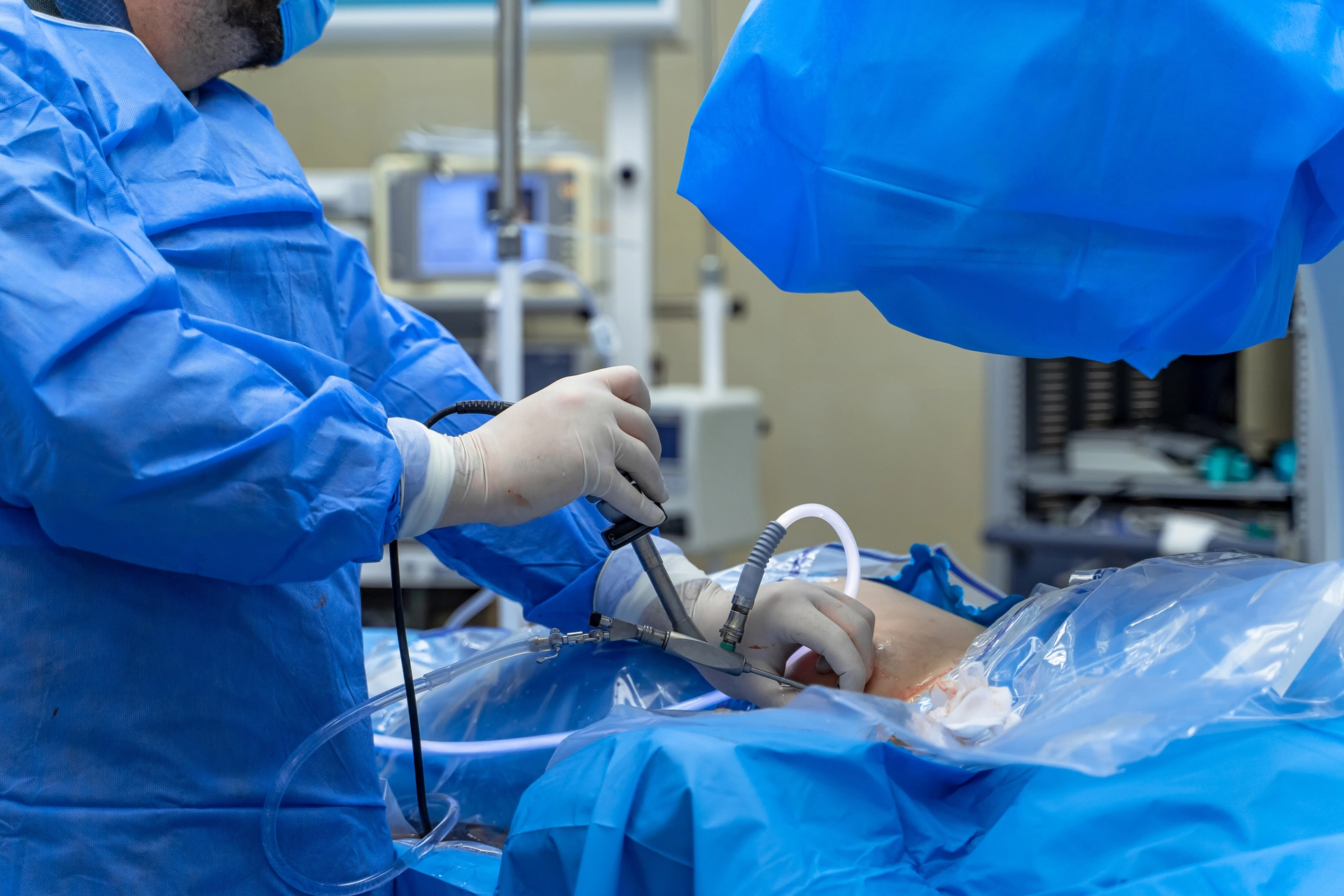
During the procedure: The endoscope is gently guided through the mouth (for upper endoscopy) or rectum (for lower endoscopy). The camera transmits real-time images to a monitor, allowing the doctor to examine the tissue in detail.
During the same session: If polyps, growths, or suspicious tissue are found, they can often be biopsied or removed immediately.
After the procedure: Most patients recover within an hour. Mild bloating or throat discomfort may follow an upper endoscopy, but serious side effects are rare.
The procedure typically takes between 15 and 45 minutes, depending on the area examined.
Symptoms at a Glance: When to manage vs. When to investigate
| Symptom | Likely Manageable | Endoscopy Recommended |
| Heartburn | Occasional responses to antacids | Frequent, persistent, or unresponsive to medication |
| Stomach pain | Mild, short-duration | Persistent, worsening, or unexplained |
| Bloating | Occasional and dietary | Chronic, with other digestive symptoms |
| Stool changes | Temporary (travel, diet) | Lasting beyond 3-4 weeks |
| Blood in stool | – | Always requires investigation |
| Weight loss | Intentional | Unintentional and unexplained |
| Swallowing difficulty | – | Any difficulty requires prompt evaluation |
When to seek immediate medical attention?
Seek emergency care if, following an endoscopy, you experience:
- Severe abdominal pain or cramping.
- Fever above 38.5°C within 24 hours of the procedure.
- Heavy rectal bleeding or blood in vomit.
- Difficulty breathing or chest pain.
- Significant swelling of the abdomen.
These symptoms are rare, but when they occur, they require prompt evaluation.
Conclusion
I would conclude that endoscopy shouldn’t be a source of fear. It stands as one of the most effective instruments available to gastroenterologists, able to identify conditions that scans or blood tests might miss entirely and even address issues during the same procedure that would typically necessitate surgery.
If you have been managing persistent digestive symptoms with temporary solutions, or if your doctor has recommended an endoscopy and you have been delaying it, this is your sign to act. The earlier an issue is identified, the simpler the path to resolution.
Book your consultation with me to ensure that your journey is as straightforward, comfortable, and efficient as possible.
Book a consultation with our gastroenterology team at Horizon Prime Hospital, Thane.
Frequently Asked Questions (FAQ)
Endoscopy is needed when stomach problems are persistent, unexplained, or not improving with medicines. It allows the gastroenterologist to directly see the lining of the digestive tract and identify issues such as ulcers, inflammation, bleeding, infection, or abnormal growths.
Symptoms that may require endoscopy include frequent acidity, long-term stomach pain, vomiting, bloating, difficulty swallowing, blood in stool, black stools, unexplained weight loss, chronic diarrhoea, or symptoms that return after stopping medication.
Delaying an endoscopy can delay the diagnosis of conditions such as ulcers, bleeding, polyps, inflammation, or early digestive cancers. Early detection usually makes treatment simpler, safer, and more effective.
For acidity, reflux, upper stomach pain, vomiting, or swallowing difficulty, an upper GI endoscopy or gastroscopy is usually recommended. It helps examine the food pipe, stomach, and first part of the small intestine.
Colonoscopy is recommended for blood in stool because it helps examine the large intestine and rectum. It can detect piles, ulcers, inflammation, polyps, bleeding points, or growths that may need further treatment.
Contact Details
Name: Horizon Prime Hospital in Thane
Address: Vibgyor, Ghodbunder Rd, near Hiranandani Estate, behind Ritu Nissan Showroom, B Wing, Patlipada, Thane West, Thane, Maharashtra 400607
Phone: 022 6855 6855
Website: prime.horizonhospital.com