
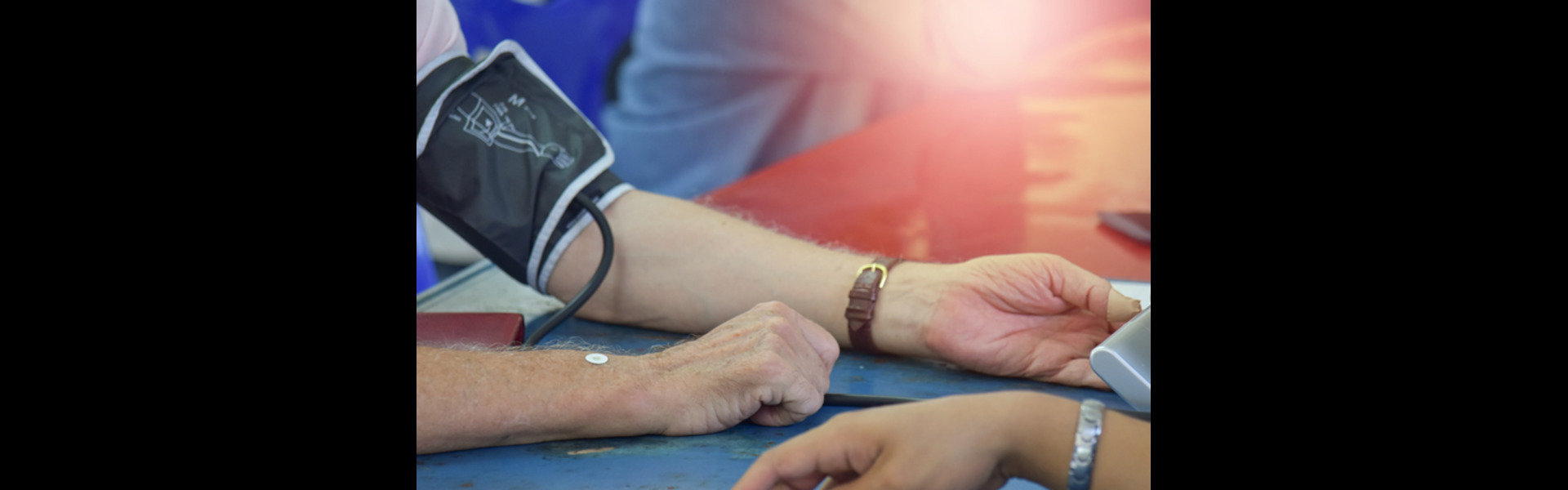

How to Reduce Cholesterol Naturally and Protect Your Heart
How to Reduce Cholesterol Naturally and Protect Your Heart
You feel perfectly healthy. You eat reasonably well, stay active when you can, and rarely think about your cholesterol.
Then a routine blood test says:
“Your cholesterol is high.”
The surprising part?
High cholesterol usually does not cause symptoms.
That is why you cannot wait for your body to tell you there is a problem.
The good news is that several everyday habits can help manage cholesterol and protect your heart.
What can you do to manage cholesterol naturally?
1. Make fibre a regular part of your diet
- Foods rich in soluble fibre can help reduce LDL, often called “bad” cholesterol.
- Add foods such as oats, beans, lentils, fruits and vegetables to your meals.
- Choose whole grains instead of refined grains whenever possible.
- Increase fibre gradually and drink enough water to avoid digestive discomfort.
2. Choose healthier fats
- Not all fats affect cholesterol in the same way.
- Limit foods high in saturated and trans fats, such as deep-fried foods, processed snacks and certain fatty meats.
- Choose healthier sources of fat such as nuts, seeds, fish and plant-based oils in appropriate portions.
- Reading food labels can help you identify foods that are high in saturated fat.
3. Stay physically active
- Regular physical activity can help improve your cholesterol profile and support heart health.
- Aim for consistent movement rather than trying to exercise intensely once in a while.
- Brisk walking, cycling, swimming and other activities you enjoy can be good ways to stay active.
- If you have a medical condition or have been inactive for a long time, speak to your doctor before starting a new exercise routine.
4. Maintain a healthy weight
- Excess body weight can contribute to unhealthy cholesterol levels and increase cardiovascular risk.
- Even modest, sustainable weight loss can improve several heart-related risk factors.
- Focus on long-term eating and activity habits rather than crash diets.
- Your doctor or dietitian can help you set realistic goals based on your health.
5. Quit smoking
- Smoking damages blood vessels and increases your overall risk of heart disease.
- Quitting can benefit your cardiovascular health and improve several other aspects of your health.
- If you smoke, seek professional support to improve your chances of quitting successfully.
6. Keep alcohol in check
- Alcohol is not a recommended strategy for improving cholesterol or protecting the heart.
- Excessive alcohol intake can contribute to high triglycerides and other health problems.
- If you drink, discuss what is appropriate for you with your healthcare professional.
7. Do not rely only on how you feel
- High cholesterol usually has no obvious symptoms.
- You may feel completely healthy while cholesterol is gradually contributing to plaque buildup in your arteries.
- A lipid profile can measure your cholesterol levels and help assess your cardiovascular risk.
- How often you need testing depends on your age, health history and individual risk factors.
Can lifestyle changes replace cholesterol medication?
- Not always.
- For some people, diet, exercise and weight management may be enough to improve cholesterol levels.
- Others may need medication based on their cholesterol levels and overall risk of heart disease.
- If your doctor has prescribed cholesterol medication, do not stop it on your own because you have started making lifestyle changes.
- The goal is not simply to lower a number. It is to reduce your overall risk of heart attack and stroke.
When should you speak to a doctor?
- You have been told that your cholesterol is high.
- You have diabetes, high blood pressure or excess weight.
- You have a family history of heart disease or high cholesterol.
- You smoke or have other cardiovascular risk factors.
- You are unsure how often you should have your cholesterol checked.
- You want a personalised diet, exercise or cholesterol-management plan.
If you are concerned about your cholesterol or heart health, consult the Cardiology Department at Horizon Prime Hospital for a cardiovascular risk assessment and personalised guidance.
Know your numbers. Change what you can. Protect your heart for the long term.
Conclusion
High cholesterol may not cause noticeable symptoms, but managing it early can help protect your cardiovascular health over the long term. A balanced diet, regular physical activity, healthy weight management and avoiding smoking can all contribute to better cholesterol control.
If your cholesterol levels are high or you have other risk factors for heart disease, consult the Cardiology Department at Horizon Prime Hospital for a cardiovascular assessment and personalised treatment guidance.
Learn More: Explore Our Cardiology Services
Need Expert Guidance? Contact Horizon Prime Hospital
Frequently Asked Questions (FAQ)
Eating more soluble fibre, choosing healthier fats, exercising regularly and maintaining a healthy weight can help manage cholesterol.
Oats, beans, lentils, fruits, vegetables, nuts, seeds and other fibre-rich foods can support healthy cholesterol levels.
Yes, regular physical activity can improve your cholesterol profile and support overall cardiovascular health.
Lifestyle changes may be enough for some people, while others may need medication depending on their cholesterol levels and cardiovascular risk.
The appropriate testing frequency depends on your age, medical history, cholesterol levels and other cardiovascular risk factors.
Contact Details
Name: Horizon Prime Hospital in Thane
Address: Vibgyor, Ghodbunder Rd, near Hiranandani Estate, behind Ritu Nissan Showroom, B Wing, Patlipada, Thane West, Thane, Maharashtra 400607
Phone: 022 6855 6855
Website: prime.horizonhospital.com