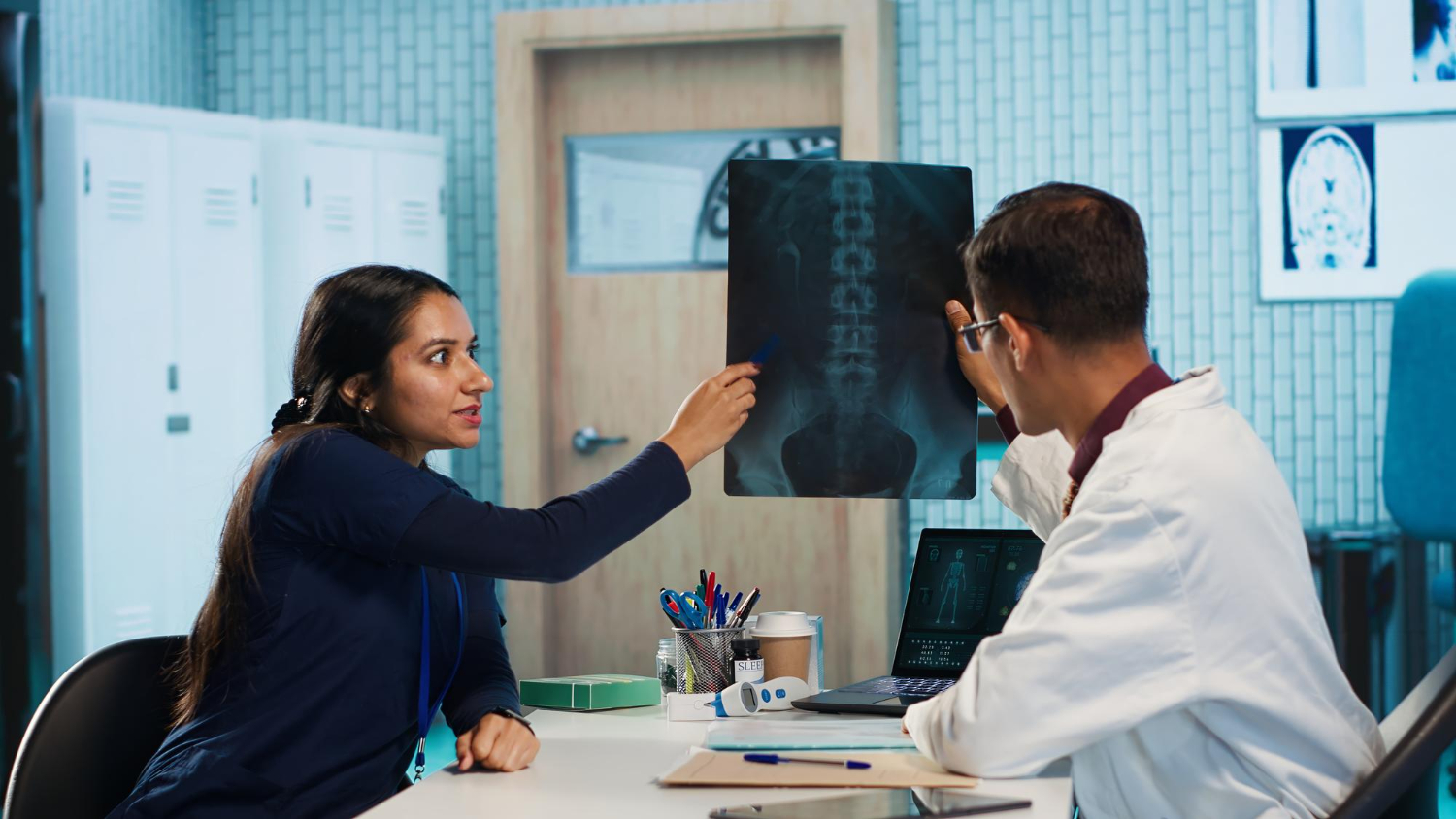
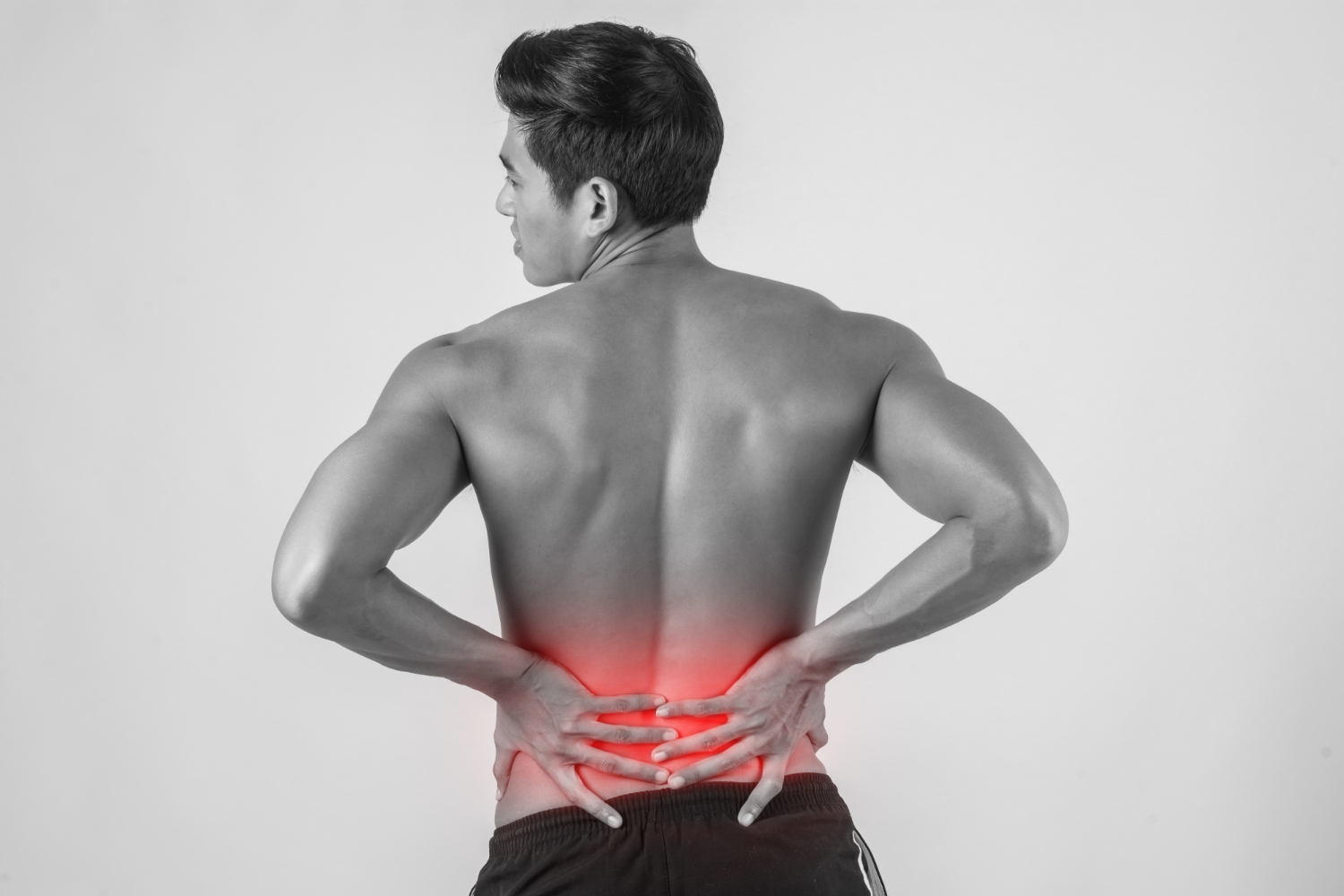
Slip Disc vs Muscle Strain: How to Identify the Difference Without Panic
Slip Disc vs Muscle Strain: How to Identify the Difference Without Panic
Back pain can be alarming—especially when the first thought that comes to mind is, “What if it’s a slipped disc?”
But here’s what most people don’t realise: not all back pain is serious. In fact, clinical data from India show that over 70% of emergency visits for back pain are due to simple muscle strains, not slipped discs.
At Horizon Prime Hospital, we often see patients on both ends of the spectrum—some ignoring serious symptoms, while others panic over minor strains. This guide will help you understand the difference clearly, so you know when to stay calm—and when to act.
The Reality in India
Back pain is becoming increasingly common, especially among working professionals.
- Around 68% of lower back pain cases are due to muscle or ligament strain
- Only about 31.9% involve a confirmed slipped disc (lumbar disc herniation)
- Most slipped discs occur at the L4-L5 and L5-S1 levels
- Cases are rising in the 30–50 age group, due to prolonged sitting and mechanical stress
There’s also a growing trend:
- Some people ignore serious disc problems, assuming it’s “just a pull”
- Others panic due to online information, thinking every pain needs surgery
The truth lies in understanding the symptoms.
Muscle Strain vs Slipped Disc
Before assuming the worst, look at how your symptoms behave.
Muscle Strain (The “Pull”)
- Pain is localised to the lower back or buttocks
- Feels like a dull ache, tightness, or soreness
- Pain increases with movement but improves with rest
- No numbness or tingling
- Starts improving within 3–5 days
Slip Disc (Disc Herniation)
- Pain radiates down the leg (commonly called sciatica)
- Feels like sharp, burning, or electric shock-like pain
- Pain may persist even at rest
- Worsens with coughing, sneezing, or bending
- Associated with numbness, tingling, or weakness in the leg
- Does not improve or worsens after a week
Simple way to remember:
If the pain stays in your back, it’s likely a strain.
If the pain travels down your leg, think of a slipped disc.
Why Is This Becoming More Common Today?
Back pain today is not just about posture. There are deeper scientific and environmental reasons.
1. The “Hidden” Biology Behind Slipped Discs
Recent research has identified a key factor called Piezo1, a sensor in spinal discs.
- Poor posture and prolonged sitting over-activate this sensor
- This triggers inflammation that weakens the disc structure
- Over time, even a small movement (like bending or lifting) can cause a disc to slip
2. Your Genetics May Play a Role
Studies suggest that up to 75% of disc degeneration risk is genetic.
This means:
- Two people with similar lifestyles may have very different spinal health
- Some individuals are naturally more prone to disc injuries
3. Environmental Factors You Can’t Ignore
Modern urban living is silently affecting spinal health.
Sedentary Lifestyle (“The 95/5 Rule”)
- Sitting for 95% of your day increases spinal stress significantly
- Lack of movement weakens muscles and overloads discs
Pollution & Toxic Exposure
- Heavy metals like lead and cadmium (common in polluted cities)
- These interfere with minerals like magnesium
- Result: Poor muscle recovery and disc health
Daily Commute Stress
- Two-wheelers and uneven roads cause constant micro-vibrations
Over time, this leads to wear and tear of the spinal discs
What Should You Do When Back Pain Starts?
Instead of panicking, follow a structured approach.
The “3-Day Rule”
Day 1–3:
- Rest (but don’t stay completely inactive)
- Apply heat or ice
- Gentle walking and light stretching
If pain improves → likely a muscle strain
Day 4 onwards:
- If pain starts radiating to your leg
- Or you feel tingling, numbness, or weakness
Consult a spine specialist immediately
A Critical Mistake to Avoid
Many people try to “fix” their back by:
- Cracking it
- Forcing stretches
- Taking random treatments
This can be dangerous.
If it’s a slipped disc, aggressive manipulation can worsen nerve compression and delay recovery.
When Should You See a Spine Specialist?
Do not delay medical attention if you notice:
- Pain shooting down your leg
- Numbness or tingling
- Weakness in your foot or leg
- Difficulty standing or walking
- No improvement after 5–7 days
Early evaluation can prevent complications and reduce the need for invasive treatment.
Conclusion
The key is accurate diagnosis and timely care.
Back pain can feel overwhelming—but understanding the difference between a muscle strain and a slipped disc can save you from unnecessary fear or delay.
- Most back pain is simple and treatable
- A smaller percentage requires specialised care
- The goal is not to panic—but to respond wisely
If your symptoms are persistent, unusual, or worsening, it’s always better to get evaluated early.
Your spine supports you every day—the least you can do is listen when it signals distress.
Contact Details
Name: Horizon Prime Hospital in Thane
Address: Vibgyor, Ghodbunder Rd, near Hiranandani Estate, behind Ritu Nissan Showroom, B Wing, Patlipada, Thane West, Thane, Maharashtra 400607
Phone: 022 6855 6855
Website: prime.horizonhospital.com