
PCOS vs PCOD: What Most Women in India Get Wrong – A Gynaecologist Explains
PCOS vs PCOD: What Most Women in India Get Wrong – A Gynaecologist Explains
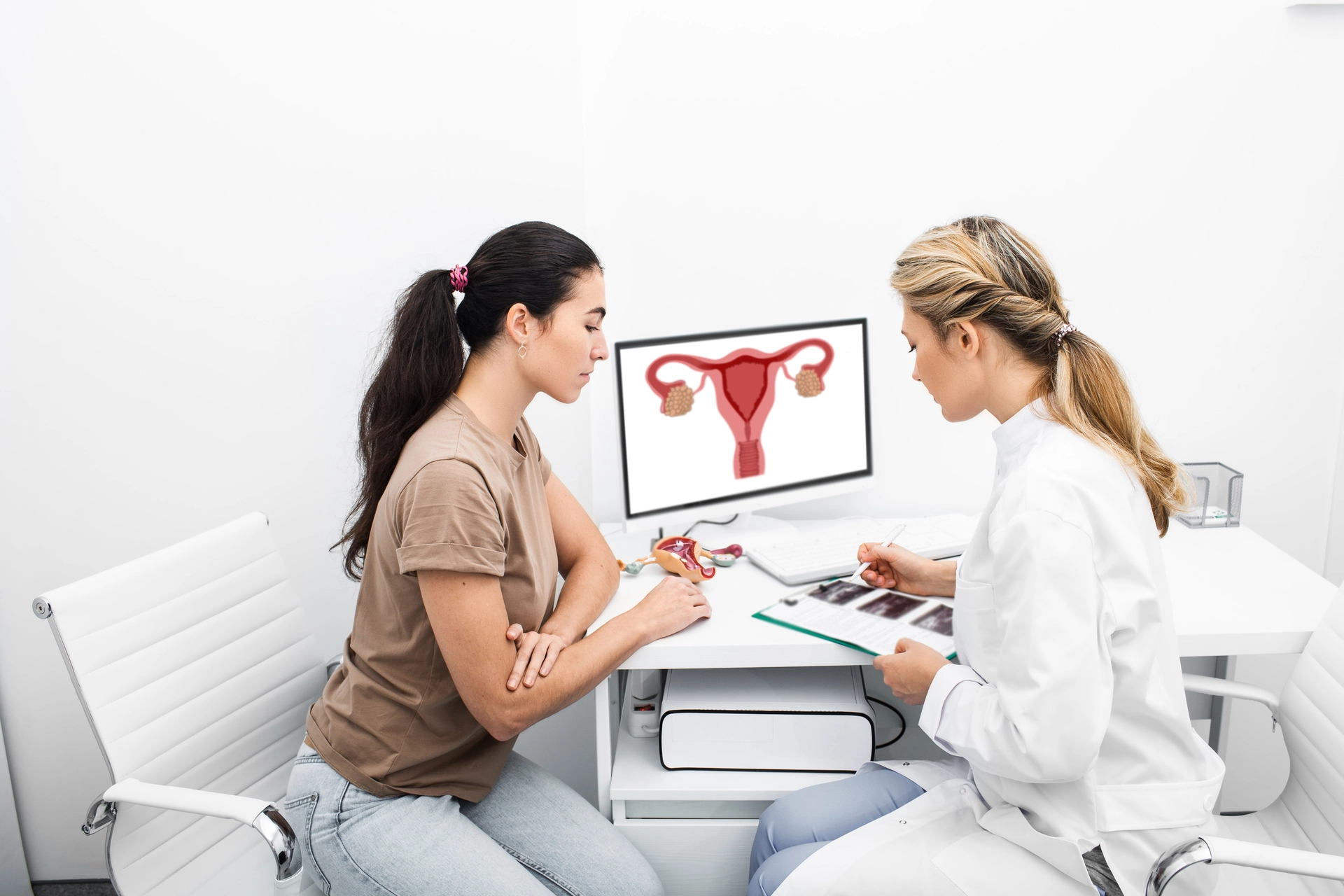
For years, the terms PCOS and PCOD have been used interchangeably in India. But here’s the truth, they are not the same, and misunderstanding this difference is one of the biggest reasons many women remain undiagnosed or improperly treated.
At Horizon Prime Hospital, we often meet patients who have been told they have “just PCOD,” when in reality, they are dealing with a more complex metabolic condition, PCOS, that needs deeper evaluation and long-term care.
Let’s break this down in a way that actually makes sense.
The Reality in India Today
Women’s hormonal health in India is at a turning point.
- PCOS prevalence has risen to ~17.4% in urban cities like Mumbai and Delhi
- Nearly 70% of women remain undiagnosed
- The average age of diagnosis has dropped to 18–20 years
- A growing number of women now fall into the “Lean PCOS” category—normal weight, but with an underlying hormonal imbalance
This isn’t just a lifestyle issue anymore. It’s a combination of biology, environment, and modern habits.
PCOD vs PCOS: What’s the Actual Difference?
Understanding this is the first step to getting the right treatment.
PCOD (Polycystic Ovarian Disease)
- A condition where the ovaries produce immature or partially mature eggs
- Often linked to lifestyle factors
- Usually milder
- Fertility is generally preserved
- Can often be managed with diet and exercise alone
PCOS (Polycystic Ovary Syndrome)
- A metabolic and hormonal disorder
- Affects the entire body—not just the ovaries
- Can lead to irregular periods, infertility, acne, and excess hair growth
- Strongly linked to insulin resistance
- Associated with long-term risks like diabetes, heart disease, and even certain cancers
- Requires medical treatment along with lifestyle changes
In simple terms:
PCOD is a manageable ovarian condition. PCOS is a systemic hormonal disorder.
Why Are Cases Increasing in 2026?
It’s no longer just about “junk food” or “weight gain.” Science is uncovering deeper causes.
1. Epigenetic Programming
Recent research shows that if a mother had a hormonal imbalance or insulin resistance during pregnancy, it can “program” the child’s genes.
This means:
- A woman may be born with a predisposition to PCOS
- Even a healthy lifestyle may not completely prevent it
2. Hormonal & Nerve Changes in the Ovaries
New findings suggest that certain proteins (like Slit3) that regulate ovarian function may not work properly in some women.
- This leads to abnormal nerve growth in the ovaries
- The result? Excess testosterone production
- This explains symptoms like acne, hair growth, and irregular cycles
3. The Sleep-Hormone Connection
Your screen habits may be affecting your ovaries more than you think.
- Excess blue light exposure at night reduces melatonin
- Melatonin is essential for egg quality and hormonal balance
Poor sleep → hormonal disruption → cyst formation
The Hidden Environmental Triggers (Most Women Don’t Know This)
Modern urban living is silently contributing to PCOS.
Microplastics & Hormonal Disruption
Tiny plastic particles have now been found in human reproductive fluids. These can:
- Mimic estrogen
- Confuse hormonal signalling
- Trigger cyst formation
Air Pollution (Especially in Cities Like Mumbai)
High levels of PM2.5 and NO2:
- Cause chronic inflammation
- Increase insulin resistance
- Worsen hormonal imbalance
BPA Exposure (From Plastics & Receipts)
BPA acts as an endocrine disruptor:
- Triggers acne and facial hair
- Interferes with androgen hormones
- Can worsen symptoms even when tests look “normal”
The “Lean PCOS” Myth That Needs to Be Broken
One of the biggest misconceptions is:
“If I’m not overweight, I can’t have PCOS.”
This is not true.
Many women with a normal weight:
- Have severe insulin resistance
- Experience hair fall, acne, and irregular cycles
- Remain undiagnosed because they don’t fit the typical image
When Should You See a Gynaecologist?
Don’t wait for your periods to become irregular. PCOS often shows subtle early signs.
The Red Flag Checklist
- Persistent adult acne that doesn’t improve with skincare
- Excess facial hair or sudden hair thinning at the crown
- Dark patches on the neck or underarms (a sign of insulin resistance)
- Unexplained fatigue or energy crashes after meals
- Difficulty losing weight despite efforts
If you notice these symptoms, it’s important to consult a specialist early.
Why Early Diagnosis Matters
PCOS is not just about periods—it’s about long-term health.
If left untreated, it can increase the risk of:
- Type 2 Diabetes
- Cardiovascular disease
- Fertility challenges
- Endometrial complications
Early diagnosis allows for timely intervention, better symptom control, and prevention of complications.
A Gynaecologist’s Perspective
At Horizon Prime Hospital, we focus on individualised care because no two patients are the same.
- Some women may need only lifestyle correction
- Others may require hormonal or metabolic treatment
Many benefit from a combined, long-term management plan
Conclusion
The goal is not just symptom control—but restoring hormonal balance and overall health.
PCOD and PCOS are often confused—but the difference matters.
In 2026, women’s health is influenced by far more than diet and exercise. From genetics and hormones to pollution and digital habits, multiple factors are at play.
The key is awareness.
If something feels off with your body, don’t ignore it or self-diagnose. The earlier you understand what’s happening, the better your outcomes will be.
Contact Details
Name: Horizon Prime Hospital in Thane
Address: Vibgyor, Ghodbunder Rd, near Hiranandani Estate, behind Ritu Nissan Showroom, B Wing, Patlipada, Thane West, Thane, Maharashtra 400607
Phone: 022 6855 6855
Website: prime.horizonhospital.com