Fatty Liver Grade 1, 2, 3: What Treatment Changes at Each Stage?
Fatty Liver Grade 1, 2, 3: What Treatment Changes at Each Stage?
“Fatty liver” is one of the most commonly reported findings on an abdominal ultrasound in India today and one of the most commonly dismissed.
Patients hear the words, receive a brief explanation, and leave with a vague instruction to “Eat healthy and exercise.”
No urgency.
No follow-up plan.
No real understanding of what grade they are at or what it means for their future.
This article explains each grade of fatty liver disease clearly, what is happening inside your liver at each stage, and exactly how treatment and lifestyle approaches must change as the condition advances.
What Is Fatty Liver disease?
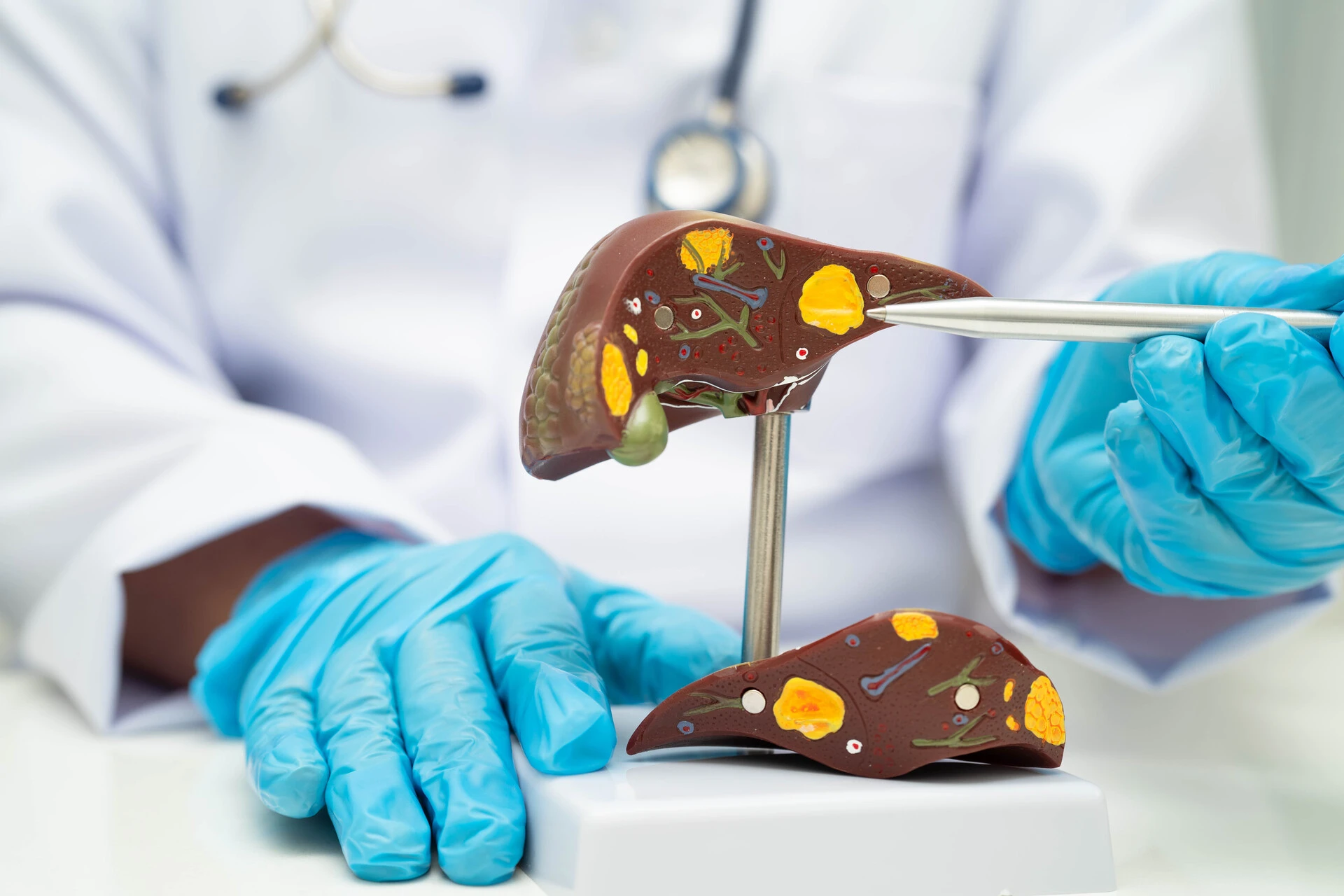
Fatty liver disease, medically known as hepatic steatosis, occurs when excess fat accumulates in liver cells. The liver is not a storage organ for fat. When fat makes up more than five to ten percent of the liver’s total weight, the condition is diagnosed.
There are two primary types:
-Non-Alcoholic Fatty Liver Disease (NAFLD)
The most common form in India occurs in people who drink little to no alcohol.
-Alcoholic Fatty Liver Disease (AFLD)
Directly caused by excessive alcohol consumption
Understanding the grading system!
Grade 1 Fatty Liver (Mild)
- Fat affects less than 33% of the liver.
- Usually has no symptoms and is often found during a routine ultrasound.
- Liver damage has not started.
- Completely reversible with lifestyle changes.
Treatment:
- Lose 5-7% body weight
- Follow a healthy liver diet
- Exercise regularly
- Avoid alcohol
- Monitor with a periodic ultrasound
Grade 2 Fatty Liver (Moderate)
- Fat affects 33-66% of the liver.
- Early inflammation may develop (NASH).
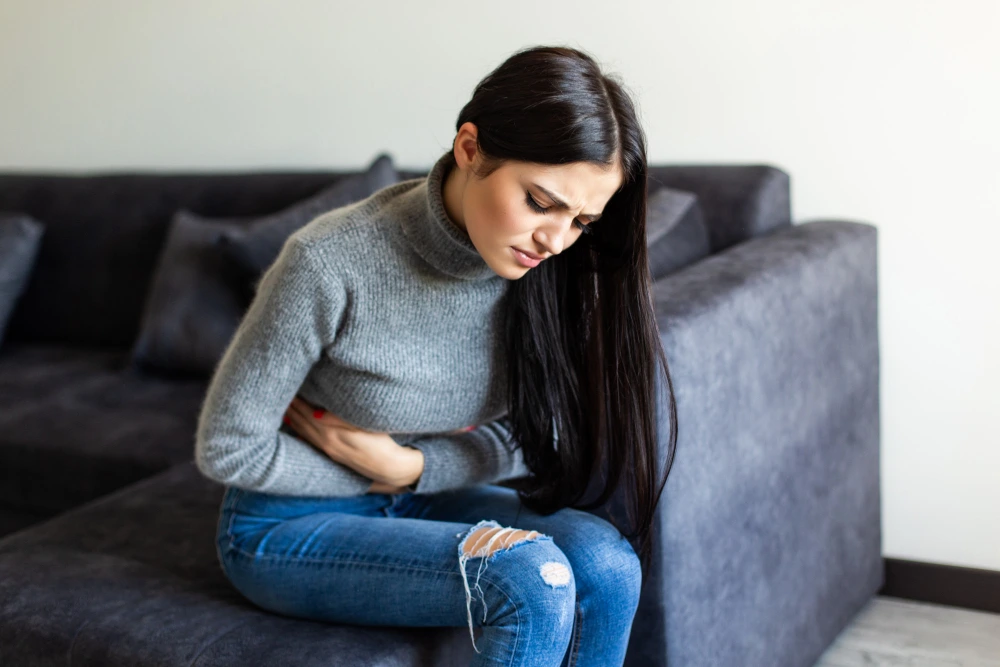
- Common symptoms include fatigue, abdominal discomfort, and nausea.
- Risk of progression to liver fibrosis increases.
Treatment:
- Strict weight loss and dietary changes
- Control diabetes and cholesterol
- Regular liver function monitoring
- Specialist consultation may be required
- Complete alcohol avoidance
Grade 3 Fatty Liver (Severe)
- Fat affects more than 66% of the liver.
- Liver scarring (fibrosis) may begin.
- It can progress to cirrhosis and liver failure if untreated.
- Symptoms may include fatigue, jaundice, abdominal swelling, and unexplained weight loss.
Treatment:
- Immediate hepatologist consultation
- FibroScan or liver assessment
- Aggressive management of diabetes, obesity, and cholesterol
- Medically supervised weight loss
- Strict alcohol cessation
- Screening for liver complications
Take fatty liver seriously at every stage!
Fatty liver disease is progressive, and early action can make all the difference.
- Grade 1: Lifestyle changes can often reverse the condition.
- Grade 2: Medical guidance becomes important to prevent further liver damage.
- Grade 3: Specialist-led treatment is essential to reduce the risk of fibrosis, cirrhosis, and liver failure.
The good news? The liver has an incredible ability to heal when given the right support. Early diagnosis, healthy lifestyle changes, and timely medical care can help protect your liver health for years to come.
Our liver care specialists provide comprehensive evaluation, advanced diagnostics, and personalised treatment plans for every stage of fatty liver disease.
Book a consultation today.
Conclusion
At Horizon Prime Hospital, our liver care specialists provide comprehensive evaluation and personalised fatty liver treatment based on your grade, symptoms, blood reports and risk factors.
From diagnosis to lifestyle guidance, advanced liver assessment and long-term monitoring, our team helps you take the right steps to protect your liver health.
Frequently Asked Questions (FAQ)
The best fatty liver treatment for Grade 1 is early lifestyle correction. This includes weight loss, regular exercise, reducing sugar and fried foods, avoiding alcohol and monitoring liver health through periodic tests.
Grade 2 fatty liver needs medical attention because inflammation may start at this stage. If diabetes, obesity or high cholesterol are also present, the risk of liver fibrosis may increase.
Grade 3 fatty liver may require liver function tests, blood sugar and cholesterol tests, FibroScan, abdominal ultrasound and other liver assessments as advised by a specialist.
Alcohol can increase liver inflammation and worsen fat-related liver injury. In people with fatty liver, alcohol may speed up progression towards fibrosis or cirrhosis.
If fatty liver is not treated, it may progress from simple fat accumulation to inflammation, fibrosis, cirrhosis and liver failure in some patients. Early treatment helps reduce this risk.
Contact Details
Name: Horizon Prime Hospital in Thane
Address: Vibgyor, Ghodbunder Rd, near Hiranandani Estate, behind Ritu Nissan Showroom, B Wing, Patlipada, Thane West, Thane, Maharashtra 400607
Phone: 022 6855 6855
Website: prime.horizonhospital.com