From Injury to Comeback: How Football Players Return After ACL Surgery
From Injury to Comeback: How Football Players Return After ACL Surgery
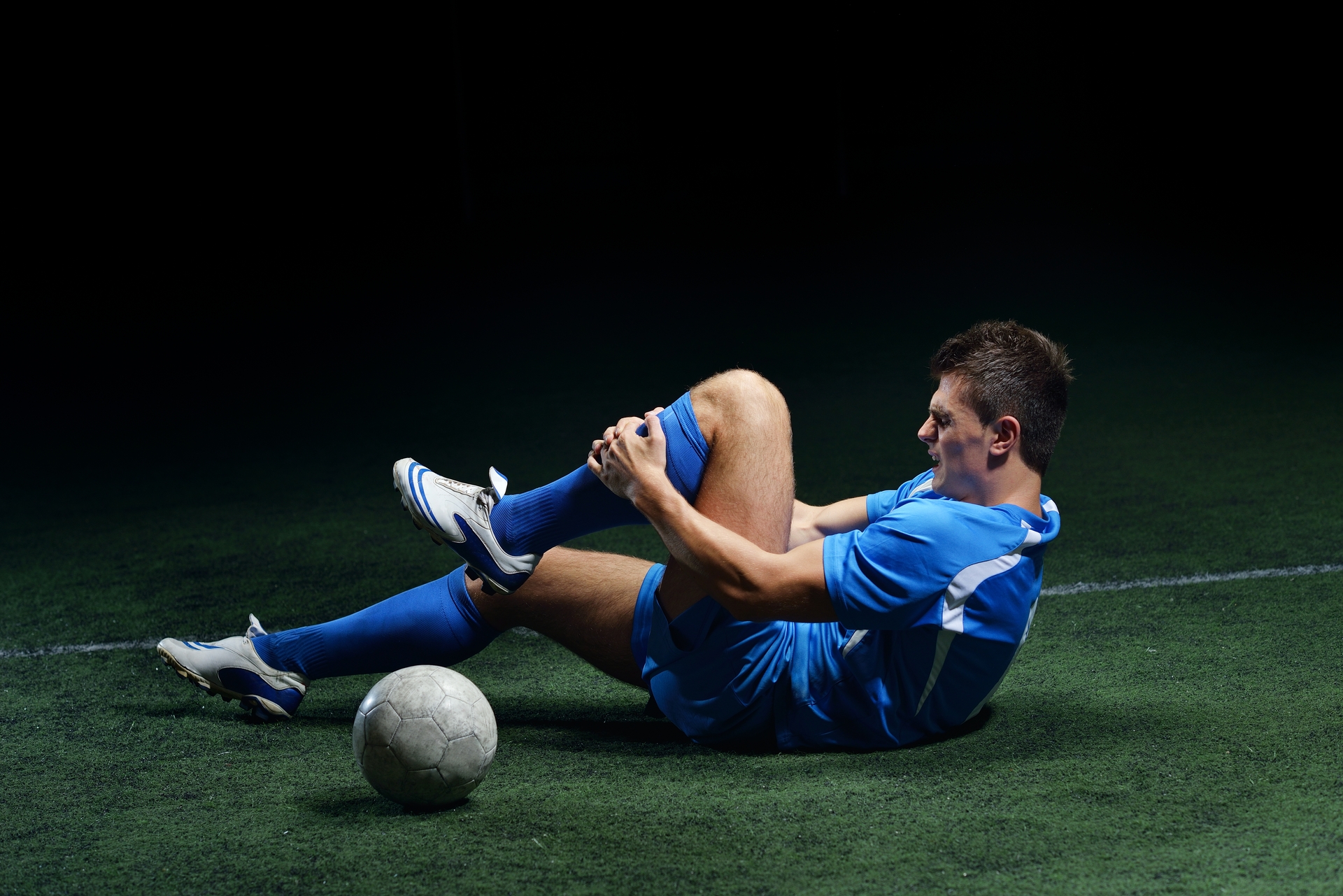
One sudden twist, awkward landing or sharp change in direction can bring an athlete’s game to an unexpected stop.
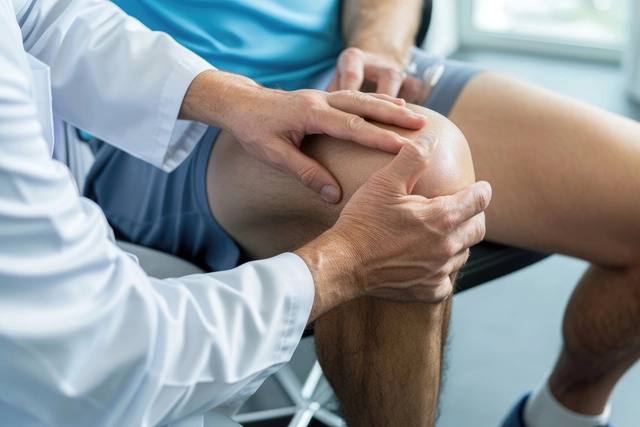
ACL injuries are common in football and other sports involving sudden stops, jumping, twisting and rapid changes in direction. The anterior cruciate ligament, or ACL, is one of the main ligaments that stabilises the knee during running, landing and turning movements.
In this blog, I have shared everything you need to know about the ACL.
You may have heard a lot about this injury in football; let us see
Why are ACL injuries serious for football players?
The anterior cruciate ligament, or ACL, helps control knee stability during movements such as landing, slowing down and changing direction.
Football places repeated pressure on the ACL through:
- Sudden acceleration and deceleration
- Cutting and turning
- One-legged landing
- Tackling and physical contact
- Rapid reactions to the ball and other players
What Happens During ACL Surgery?
ACL reconstruction replaces the damaged ligament with a tendon graft to restore knee stability. However, successful recovery also depends on rehabilitation, muscle strength, graft healing and a gradual return to activity.
Return to Football After ACL Surgery: The Recovery Stages
Recovery should be based on clinical milestones rather than the calendar alone.
There are 5 recovery phases:
Phase 1: Controlling Pain and Swelling
During the first few weeks, treatment focuses on:
- Reducing pain and swelling
- Regaining full knee straightening
- Gradually improving knee bending
- Activating the quadriceps
- Restoring a normal walking pattern
- Protecting the graft and any repaired tissue
Full knee extension is particularly important. Difficulty straightening the knee can affect walking, muscle activation and later rehabilitation.
Phase 2: Rebuilding Strength and Balance
Once movement and swelling improve, rehabilitation becomes more strength-focused.
Exercises may target:
- Quadriceps
- Hamstrings
- Gluteal muscles
- Calf muscles
- Core stability
- Single-leg balance
The injured leg often loses significant strength after surgery. The player must rebuild this capacity gradually rather than depending on the uninjured leg.
Phase 3: Returning to Running
Running is introduced only after the player meets specific clinical and strength criteria.
Before starting, the rehabilitation team may assess:
- Knee movement
- Swelling
- Pain
- Muscle strength
- Single-leg control
- Landing mechanics
- Tolerance to repeated loading
Running usually begins in a controlled, straight-line format. Speed, distance and intensity are increased gradually.
Phase 4: Football-Specific Rehabilitation
This is where rehabilitation begins to resemble the sport.
Training may include:
- Acceleration and deceleration
- Direction changes
- Cutting movements
- Jumping and landing
- Ball control
- Passing and shooting
- Reaction-based drills
- Contact preparation
- Repeated high-speed efforts
The player first performs predictable movements. Later, drills become less controlled and require decisions based on the ball, teammates and opponents.
Phase 5: Returning to Team Training
Return to training should be gradual. A player may progress through:
- Individual football drills
- Non-contact team exercises
- Controlled contact sessions
- Full team training
- Limited match minutes
- Full competitive participation
Returning to training does not mean the player is immediately ready for a complete match
Match demands include fatigue, physical contact, unpredictable movement and psychological pressure.
How Do Doctors Decide if a Player Is Ready?
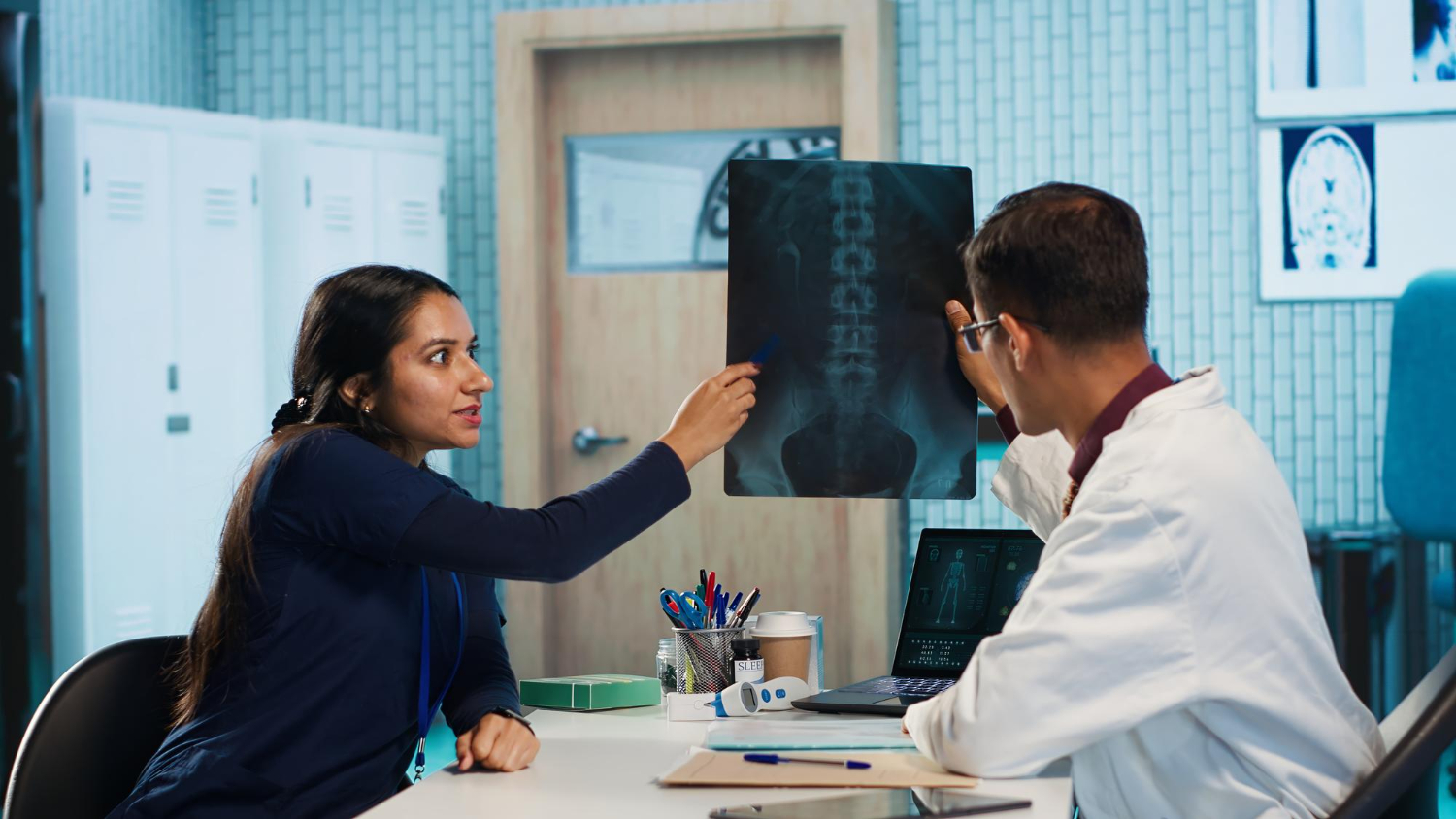
There isn’t a single test that confirms a safe return. Doctors assess a combination of recovery, strength, movement, and confidence before clearing an athlete.
A return-to-play assessment may include:
- No significant pain or swelling
- Full or near-full knee movement
- Good muscle strength
- Hop, jump, and agility tests
- Running and sport-specific movements
- Psychological readiness
- Ability to train fully without symptoms
Return to Play Is Not the Same as Return to Performance
A player may be medically cleared to play but still needs time to regain the following:
- Match sharpness
- Decision-making speed
- Endurance
- Explosive power
- Confidence in contact
- Pre-injury performance levels
This is why the final stage of rehabilitation continues even after the player returns to matches.
Conclusion
Returning to football after ACL surgery is a structured progression from basic knee recovery to strength, running, football drills, team training and competitive matches.
Successful recovery depends on more than waiting for a certain number of months. The player must demonstrate adequate strength, control, fitness and confidence under football-specific demands.
Consult an orthopaedic and sports injury specialist for an accurate diagnosis, personalised treatment plan and structured return-to-sport guidance.
Frequently Asked Questions (FAQ)
ACL injuries are common because football involves sudden stops, twisting, jumping, landing and rapid direction changes.
ACL reconstruction replaces the damaged ligament with a tendon graft to restore knee stability.
Rehabilitation helps restore knee movement, muscle strength, balance, control and confidence before returning to football.
Doctors may assess strength, knee movement, swelling, hop tests, agility, landing control and psychological readiness.
Return to play means resuming matches, while return to performance means regaining full fitness, confidence and pre-injury ability.
Contact Details
Name: Horizon Prime Hospital in Thane
Address: Vibgyor, Ghodbunder Rd, near Hiranandani Estate, behind Ritu Nissan Showroom, B Wing, Patlipada, Thane West, Thane, Maharashtra 400607
Phone: 022 6855 6855
Website: prime.horizonhospital.com