
Irregular Periods, Heavy Bleeding or Pelvic Pain: When to Visit a Gynaecologist?
Irregular Periods, Heavy Bleeding or Pelvic Pain: When to Visit a Gynaecologist?
For numerous women, experiencing irregular menstrual cycles, excessive bleeding, or pelvic discomfort has become so commonplace that they hardly consider it a problem. A skipped period is often attributed to stress. Heavy bleeding is dismissed as simply “the norm”.
Pelvic pain is linked to posture or digestive issues. Life carries on while the symptoms persist unnoticed.
Here is a fact: most women don’t know that these are the things which they normalise and suffer with; they are the signals your body is trying to get the attention needed.
Knowing these symptoms and when to visit a gynaecologist is the most important thing for women to know to protect long-term health.
What Are Irregular Periods, Heavy Bleeding, and Pelvic Pain?
Irregular periods refer to menstrual cycles that vary significantly in frequency, duration, or predictability.
A typical cycle runs between 21 days and 35 days.
Experiencing missing or having cycles shorter than 21 days are the signs of underlying hormonal or structural issues.
Heavy menstrual bleeding, known as menorrhagia, is medically characterised by the need to change a pad or tampon every hour for several hours in a row, the passage of large blood clots, or bleeding that persists for over seven days.
This condition is not just a minor issue; chronic heavy bleeding can result in anaemia, fatigue, and a notably diminished quality of life.
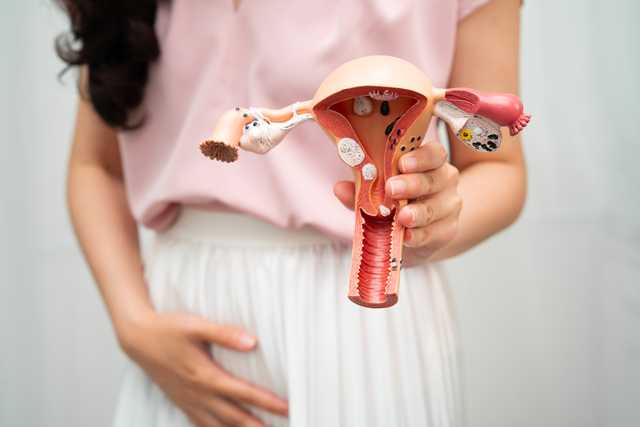
Pelvic pain encompasses any persistent discomfort in the lower abdomen or pelvis, whether cyclical (related to periods) or constant.
When pelvic pain becomes recurrent, severe, or interferes with daily activities, it deserves a thorough medical evaluation.
Common Causes Behind These Symptoms
- Polycystic Ovarian Syndrome (PCOS)
- Endometriosis
- Uterine fibroids
- Thyroid disorders
- Pelvic Inflammatory Disease (PID)
- Hormonal imbalances
- Cervical or uterine polyps
- In some cases, cervical or uterine cancer
Normal vs. When you should be concerned
Not every irregularity signals a serious problem. Understanding the difference helps women make informed decisions about seeking care.
| Symptom | Likely Normal | Seek Medical Attention |
| Cycle length | Varies 2-3 days each month | Consistently shorter than 21 or longer than 35 days |
| Period duration | 3-7 days | Lasting more than 7 days regularly |
| Bleeding volume | Light to moderate flow | Soaking a pad/tampon every hour for several hours |
| Pelvic pain | Mild cramps on days 1-2 | Severe, persistent pain between periods |
| Missed periods | Occasional (stress-related) | Missing 3 or more consecutive cycles |
| Bleeding pattern | Predictable and consistent | Spotting between periods or after intercourse |
When to visit a Gynaecologist?
It’s the most common question which revolves around the minds of many women, as you should visit a gynaecologist when you experience the following:
- Periods that have become consistently irregular
- Bleeding that disrupts your daily life
- Pelvic pain beyond normal cramping
- Bleeding after intercourse or between periods
- Symptoms accompanied by unusual discharge
- Difficulty conceiving
What happens during a Gynaecologist consultation?
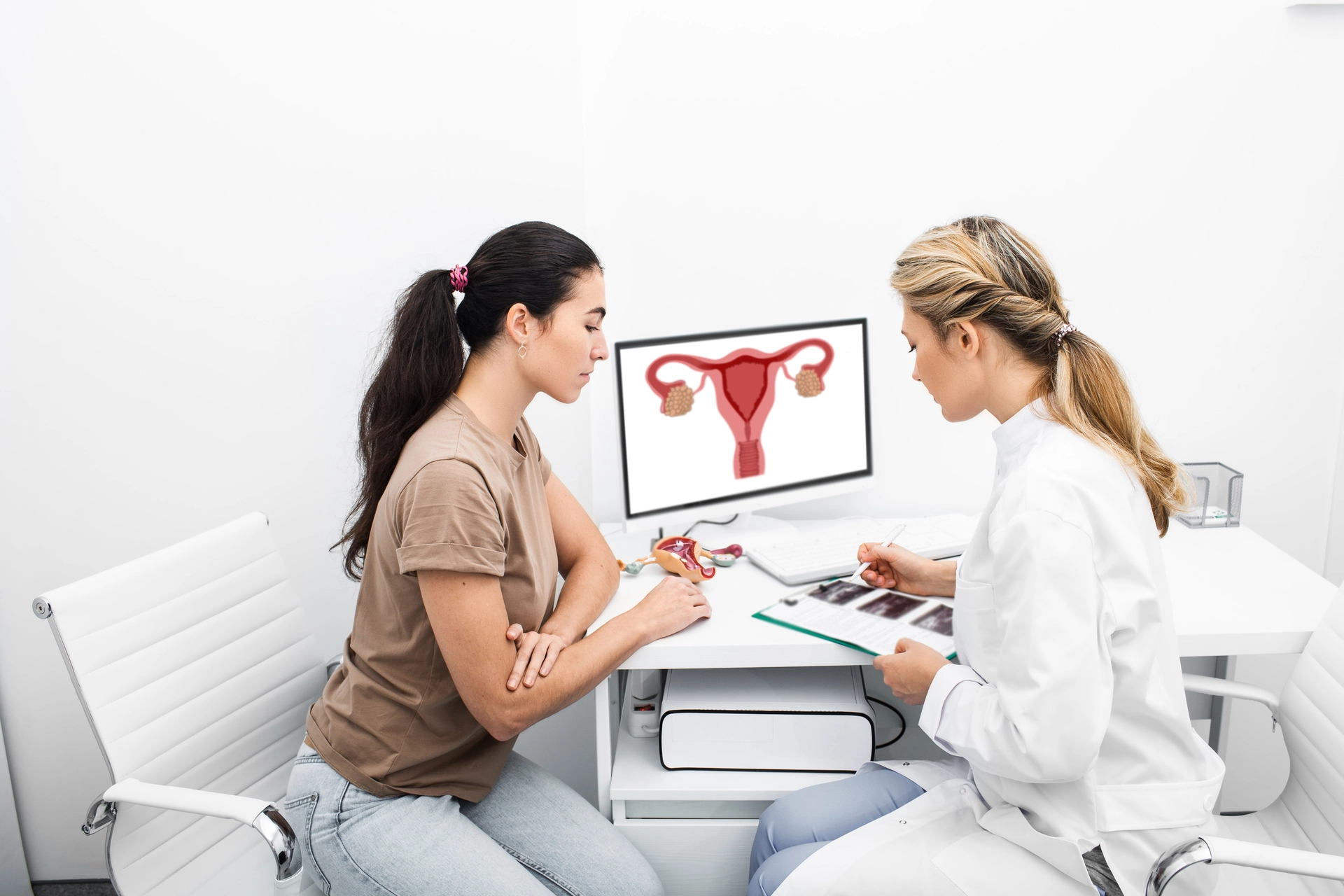
Many women avoid visiting a gynaecologist because they are unsure what to expect. A consultation at Horizon Prime Hospital typically involves:
- A detailed symptom history: Duration, frequency, and nature of your symptoms, along with your menstrual history.
- Physical and pelvic examination: A gentle, thorough check to identify any structural abnormalities.
- Blood tests: To check hormone levels, thyroid function, and signs of anaemia
- Ultrasound (pelvic or transvaginal): To examine the uterus and ovaries for fibroids, cysts, or other structural changes.
- Pap smear: To screen for cervical changes or HPV infection.
- Additional investigations: If needed, a hysteroscopy or laparoscopy may be recommended for a more detailed internal view.
The consultation is confidential, non-judgemental, and focused entirely on your comfort and clarity.
Irregular periods, heavy bleeding, and pelvic pain are not simply inconveniences to be managed with painkillers and patience. They are signals, and they deserve to be heard.
Whether your symptoms are mild and persistent or sudden and severe, a gynaecological consultation gives you answers, clarity, and a path forward. The earlier a condition is identified, the simpler and more effective the treatment.
Your reproductive health is not a secondary concern. At Horizon Prime Hospital, it is our priority.
Conclusion
Book a Gynaecology Consultation at Horizon Prime Hospital
If you are experiencing irregular periods, heavy bleeding, pelvic pain, or other women’s health concerns, consult an experienced gynaecologist in Thane at Horizon Prime Hospital.
Early care gives you clarity, comfort, and the right treatment path.
Contact Us | Meet Our Gynaecologist | Explore Gynaecology Services
Frequently Asked Questions (FAQ)
Irregular periods can happen due to PCOS, thyroid disorders, hormonal imbalance, stress, sudden weight changes, excessive exercise, fibroids, or other gynaecological conditions. If your cycles are repeatedly shorter than 21 days, longer than 35 days, or frequently missed, it is advisable to consult a gynaecologist.
Heavy bleeding should not be ignored because it may lead to anaemia, weakness, fatigue, and poor quality of life. It may also be linked to fibroids, hormonal imbalance, polyps, thyroid issues, or other uterine conditions. If you need to change pads frequently or bleed for more than 7 days, medical evaluation is important.
Pelvic pain that is severe, recurring, present between periods, associated with heavy bleeding, unusual discharge, fever, or pain during intercourse should be checked by a gynaecologist. Persistent pelvic pain may be related to endometriosis, fibroids, ovarian cysts, infection, or other women’s health conditions.
Spotting between periods can occur due to hormonal changes, ovulation, contraceptive use, infection, polyps, fibroids, cervical changes, or other gynaecological issues. If spotting happens repeatedly or occurs after intercourse, it should be evaluated by a gynaecologist.
During a consultation, the gynaecologist will discuss your symptoms, menstrual history, pain pattern, bleeding flow, medical history, and lifestyle. Depending on your symptoms, the doctor may suggest blood tests, ultrasound, pelvic examination, Pap smear, or further evaluation to identify the cause and plan treatment.
Contact Details
Name: Horizon Prime Hospital in Thane
Address: Vibgyor, Ghodbunder Rd, near Hiranandani Estate, behind Ritu Nissan Showroom, B Wing, Patlipada, Thane West, Thane, Maharashtra 400607
Phone: 022 6855 6855
Website: prime.horizonhospital.com