

Fibroids in Women: When Do You Need Surgery and When Can You Wait
Fibroids in Women: When Do You Need Surgery and When Can You Wait
Uterine fibroids are extremely common, and yet, they are often misunderstood. Many women panic the moment they hear the word “fibroid,” assuming surgery is the only option.
But here’s the truth:
Not every fibroid needs treatment, and definitely not every fibroid needs surgery.
At Horizon Prime Hospital, the approach is simple and patient-focused:
We don’t treat the fibroid. We treat your symptoms, your lifestyle, and your future plans.
How Common Are Fibroids in India?
Fibroids (also called leiomyomas) are the most common benign tumours in women.
- Nearly 7 out of 10 women will develop fibroids by the age of 50
- Increasing cases are now seen in women aged 22–28, often detected during fertility evaluations
- Fibroids remain a leading cause of hysterectomy in India
- At the same time, there is a rising preference for uterus-preserving treatments
Many women have fibroids and don’t even know it, until symptoms appear.
What Exactly Are Fibroids?
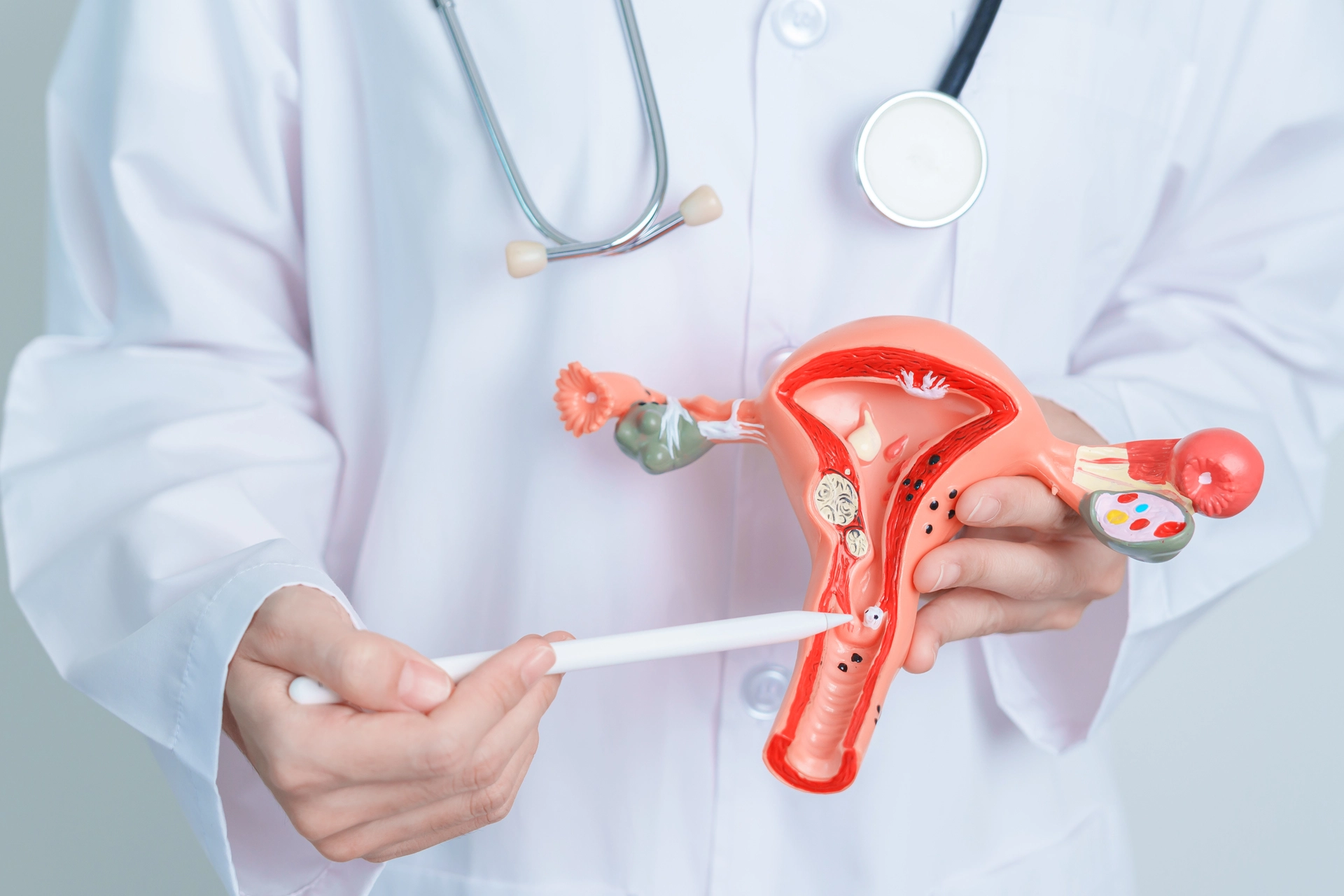
Fibroids are non-cancerous growths that develop from the muscle layer of the uterus.
They can vary in:
- Size (from a few millimetres to large masses)
- Number (single or multiple)
- Location (inside, within, or outside the uterus)
And importantly, not all fibroids behave the same way.
When Can You Wait? (Watchful Waiting)
If your fibroids are not causing symptoms, immediate treatment may not be required.
You may not need surgery if:
- You have no symptoms (no heavy bleeding or pain)
- Fibroids are small (under 3–4 cm)
- There is no impact on fertility
- Fibroids are not growing rapidly
- You are approaching menopause (fibroids often shrink naturally)
What Does “Waiting” Actually Mean?
Waiting is not ignoring.
At Horizon Prime Hospital, we recommend active surveillance, which includes:
- Regular ultrasounds (every 6 months) to monitor size and growth
- Tracking symptoms like bleeding, pain, or pressure
- Maintaining an iron-rich diet to prevent anaemia
- Lifestyle adjustments to support hormonal balance
The goal is to stay ahead of the condition—not react to complications later.
When Do You Need Surgery or Treatment?
Surgery is considered when fibroids start affecting your health or quality of life.
You may need intervention if:
1. Heavy Menstrual Bleeding (Leading to Anaemia)
- Frequent, prolonged periods
- Fatigue, weakness, low haemoglobin levels
2. “Bulk Symptoms” (Pressure Effects)
- Frequent urination (pressure on the bladder)
- Constipation (pressure on the bowel)
- Abdominal heaviness or bloating
3. Fertility Issues
- Difficulty conceiving
- Recurrent miscarriages
- Fibroids blocking the fallopian tubes or the uterine cavity
4. Rapid Growth of Fibroids
- Sudden increase in size
- Needs evaluation to rule out rare complications
In these cases, delaying treatment can worsen symptoms and affect long-term outcomes
Why Are Fibroids So Common Today?
Modern science shows that fibroids are not just random growths; they are influenced by genetics, hormones, and environment.
1. Genetic Factors (The MED12 Gene)
Research shows that a majority of fibroids are linked to mutations in a gene called MED12.
- This makes uterine cells overreact to normal hormones
- Result: Excessive growth of fibroid tissue
2. The “Stem Cell” Origin
Fibroids often start from a single abnormal uterine cell.
- Chronic inflammation activates these cells
- They multiply and form a tumour over time
3. Hormonal Sensitivity
Fibroids have more receptors for estrogen and progesterone than normal tissue.
- They don’t just respond to hormones
They amplify and store them, accelerating growth
The Environmental Triggers You Should Know
Your surroundings play a bigger role than you think.
Endocrine Disrupting Chemicals (EDCs)
Found in:
- Plastics (BPA)
- Cosmetics and fragrances (phthalates)
These chemicals act like artificial estrogen, stimulating fibroid growth.
Microplastics
Recent findings show:
- Microplastics can enter the reproductive system
- They trigger oxidative stress, contributing to tissue changes
Air Pollution
High pollution levels:
- Increase inflammation in the body
- Boost estrogen production within tissues
- Promote fibroid growth
Vitamin D Deficiency
Common in urban India due to:
- Indoor lifestyles
- Pollution blocking sunlight
Vitamin D helps control abnormal cell growth—its deficiency removes this protective effect.
Treatment Options Today: It’s Not Just Hysterectomy
Surgery today is more advanced and less invasive than before.
Options may include:
- Laparoscopic Myomectomy
Removes fibroids while preserving the uterus - Uterine Artery Embolisation (UAE)
Cuts off the blood supply to fibroids, causing them to shrink - Medical Management
Hormonal therapy to control symptoms
The focus is now on preserving fertility and improving quality of life.
A Specialist’s Perspective
At Horizon Prime Hospital, every treatment plan is personalised.
We consider:
- Your age
- Symptoms
- Future pregnancy plans
- Fibroid size and location
Because the right treatment is not just about removing a fibroid, it’s about protecting your long-term health.
Conclusion
Fibroids are common, but panic is not necessary.
- Many fibroids can be safely monitored
- Some require timely treatment
- Surgery is only recommended when it truly benefits you
The key is awareness and regular follow-up.
If you’ve been diagnosed with fibroids or are experiencing symptoms, early consultation can help you choose the right path, whether it’s careful monitoring or active treatment.
Contact Details
Name: Horizon Prime Hospital in Thane
Address: Vibgyor, Ghodbunder Rd, near Hiranandani Estate, behind Ritu Nissan Showroom, B Wing, Patlipada, Thane West, Thane, Maharashtra 400607
Phone: 022 6855 6855
Website: prime.horizonhospital.com