Why Gynaecologists Don’t Recommend A Hysterectomy For Every Fibroid
Why Gynaecologists Don't Recommend A Hysterectomy For Every Fibroid
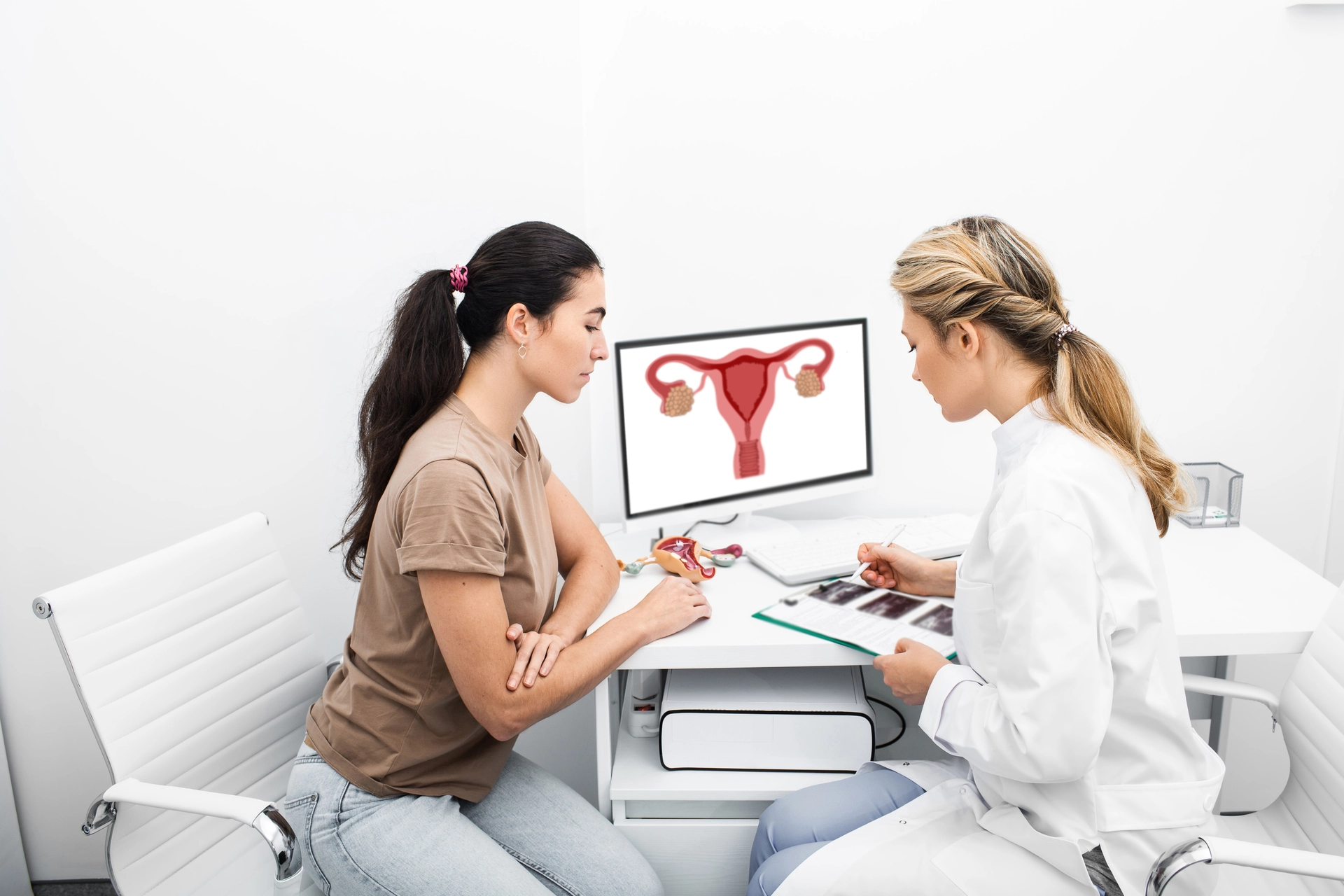
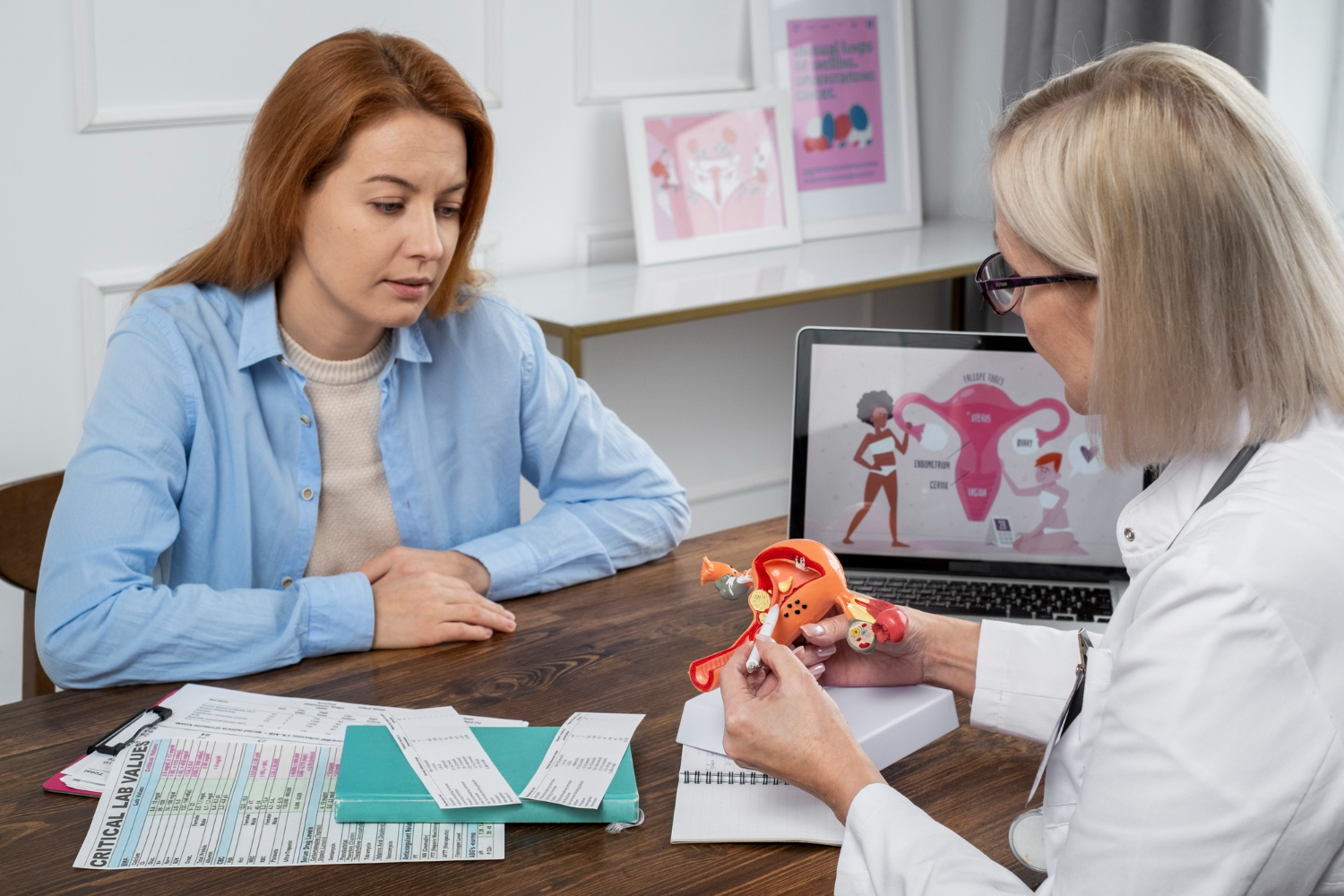
“Doctor, I have fibroids in my uterus. Does that mean I will need a hysterectomy?”
This is a common concern among women diagnosed with uterine fibroids.
The good news is that not every fibroid needs surgery, and not every woman with fibroids needs her uterus removed.
As a gynaecologist, I believe the first step is to understand how the fibroids are affecting a woman’s health, symptoms, and quality of life before deciding on treatment.
What Are Uterine Fibroids?
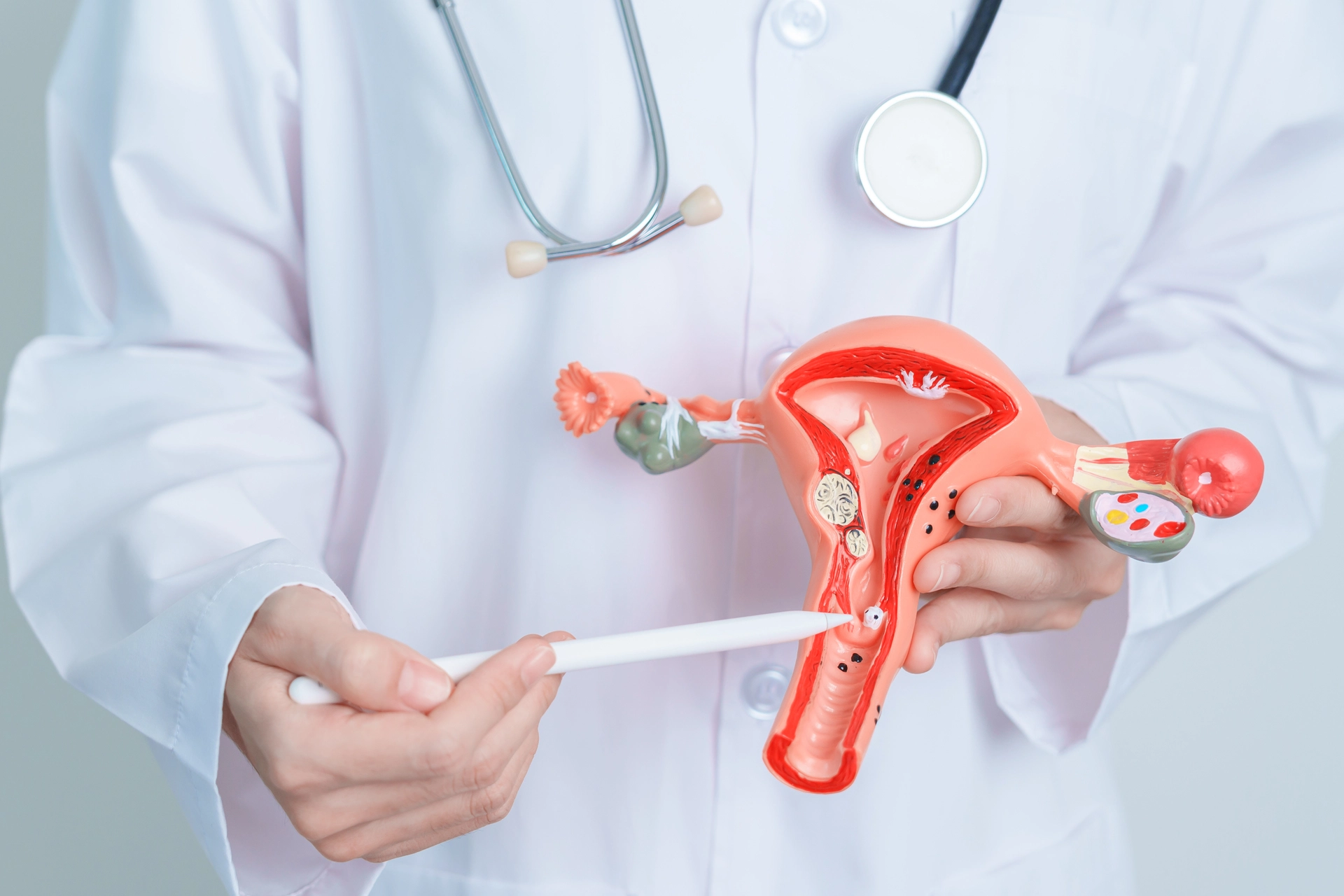
Uterine fibroids are non-cancerous growths that develop in or around the uterus. They can vary in size, number, and location.
Some women may have fibroids without experiencing any symptoms.
Others may experience:
– Heavy or prolonged menstrual bleeding
– Pelvic pain or pressure
– Frequent urination
– A feeling of fullness in the lower abdomen
– Difficulty conceiving or certain pregnancy-related complications
The presence of a fibroid alone does not determine whether treatment is necessary.
Why Isn't Hysterectomy Always The First Choice?
A hysterectomy is a surgical procedure to remove the uterus. Although it can be an appropriate treatment for certain women with troublesome fibroids, it is a major decision and is not necessary in every case.
Here is why we consider other options first when appropriate.
- Some Fibroids Do Not Need Immediate Treatment
If fibroids are small, are not causing symptoms and do not raise other clinical concerns, monitoring may be sufficient. Regular follow-ups help assess whether their size or symptoms change.
- Treatment Depends On The Symptoms
A woman experiencing heavy bleeding may need a different approach from someone dealing with pressure symptoms or persistent pelvic pain. Treatment is based on the problem the fibroid is causing, not simply its presence.
- Preserving The Uterus May Be Important
For women who wish to have children in the future, removing the uterus is not an option. Depending on the fibroids and individual circumstances, treatments that preserve the uterus may be considered.
- Other Treatment Options May Be Suitable
Depending on the case, options can include medication to manage symptoms, a myomectomy to remove fibroids while preserving the uterus, or selected minimally invasive procedures. Each has its own benefits, limitations, and suitability.
When Might A Hysterectomy Be Recommended?
A hysterectomy may be considered when fibroids cause severe or persistent symptoms, other treatments have not helped or are unsuitable, or the overall clinical situation makes it the most appropriate option.
The decision also depends on factors such as the woman’s age, symptoms, reproductive plans, medical history and preferences.
It is important to discuss the benefits, risks, and alternatives before proceeding with surgery.
How Is The Right Treatment Decided?
Before recommending treatment, a gynaecologist may consider:
– The size, number, and location of the fibroids
– The severity of bleeding, pain, or pressure symptoms
– Ultrasound findings and any additional tests needed
– Whether pregnancy is desired in the future
– Previous treatments and their results
– The woman’s overall health and preferences
There is no single treatment plan that works for every woman with fibroids.
My Advice As A Gynaecologist
A diagnosis of uterine fibroids does not automatically mean you need surgery, let alone a hysterectomy. What matters is understanding the impact of the fibroids and choosing a treatment that fits your medical needs and plans.
If you have heavy periods, persistent pelvic discomfort, or other symptoms, do not ignore them or assume that removing the uterus is your only option.
Conclusion
Have questions about uterine fibroids or your treatment options? connect with Horizon Hospital for information about available gynaecology consultations. Learn more about the consulting gynaecologist’s qualifications, professional background, and areas of practice.
Explore information about gynaecology services, fibroid evaluation, and available treatment approaches.
Frequently Asked Questions (FAQ)
Because many fibroids cause no significant symptoms and can be monitored or managed without removing the uterus.
Fibroids causing heavy bleeding, pain, pressure, or certain fertility problems may need treatment depending on their location and severity.
It may help women who wish to retain their uterus or preserve the possibility of future pregnancy.
Options may include monitoring, medication, myomectomy, or selected minimally invasive procedures, depending on individual needs.
Symptom severity, fibroid size and location, previous treatment results, reproductive plans, and overall health guide the decision.
Contact Details
Name: Horizon Prime Hospital in Thane
Address: Vibgyor, Ghodbunder Rd, near Hiranandani Estate, behind Ritu Nissan Showroom, B Wing, Patlipada, Thane West, Thane, Maharashtra 400607
Phone: 022 6855 6855
Website: prime.horizonhospital.com