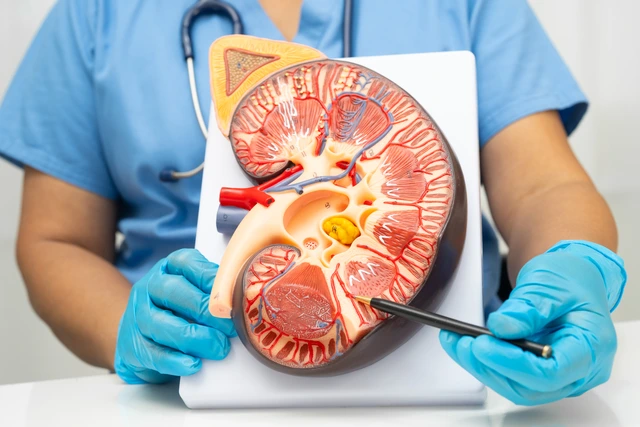


Dialysis vs Kidney Transplant: How Do Doctors Decide Which Treatment Is Suitable?
Dialysis vs Kidney Transplant: How Do Doctors Decide Which Treatment Is Suitable?
When the kidneys can no longer filter waste and excess fluid effectively, treatment may be needed to take over some of their essential functions.
But does every patient with kidney failure need dialysis, or could a kidney transplant be a better option?
The choice depends on several factors, including the patient’s health, kidney function, suitability for surgery, and overall quality of life.
What is the difference between dialysis and a kidney transplant?
Dialysis helps remove waste, excess fluid, and toxins from the blood when the kidneys are unable to do so adequately.
- It may be required several times a week, depending on the type of dialysis and the patient’s condition.
- It helps manage kidney failure but does not restore normal kidney function.
- Patients need ongoing treatment, monitoring, medication and dietary adjustments.
Kidney Transplant involves surgically placing a healthy kidney from a suitable donor into the recipient.
- The transplanted kidney takes over the function of filtering blood.
- It can offer greater independence from regular dialysis.
- Patients require lifelong immunosuppressive medication to prevent the body from rejecting the transplanted kidney.
When is dialysis recommended?
Dialysis may be recommended when:
- Kidney function has declined significantly, and the body is unable to manage waste and fluid levels.
- There is a dangerous accumulation of toxins, fluid, or electrolytes.
- Symptoms of kidney failure are affecting daily life.
- A transplant is not immediately possible, or the patient is not suitable for transplantation.
Dialysis may be a temporary treatment while a patient awaits transplantation or a long-term treatment option.
When is a kidney transplant considered?
A kidney transplant may be considered when:
- The patient has advanced kidney disease or kidney failure.
- The patient is medically fit to undergo transplant surgery.
- There is no major condition that makes transplantation unsafe.
- The patient can follow lifelong medication, monitoring and follow-up requirements.
A transplant may also be planned before dialysis becomes necessary in selected patients, making early evaluation important.
What factors influence the treatment decision?
- Doctors consider several aspects before recommending either treatment:
- Age and overall health: Other medical conditions, heart health and physical fitness.
- Severity of kidney disease: How much kidney function remains and whether immediate treatment is required.
- Suitability for surgery: Whether the patient can safely undergo a transplant.
- Donor availability: Whether a suitable living or deceased donor kidney is available.
- Lifestyle and quality of life: Work, daily routine, family responsibilities and the patient’s preferences.
- Long-term care: Ability to follow medication schedules, dietary recommendations and regular monitoring.
Is kidney transplant better than dialysis?
A kidney transplant may offer better long-term outcomes and greater freedom from dialysis for eligible patients. However, it is not suitable for everyone, and a transplanted kidney also requires ongoing care.
Dialysis remains an essential and effective treatment for patients who are awaiting a transplant, are not suitable for surgery or choose dialysis as their long-term treatment.
The right treatment is not determined by kidney function alone. A nephrologist evaluates the patient’s overall health, medical needs and long-term goals before recommending the most suitable approach.
For patients with advanced kidney disease, timely evaluation by a nephrologist can help determine the appropriate treatment pathway and plan for better long-term kidney care.
Conclusion
Have questions about dialysis, kidney transplantation or suitable treatment options? Connect with Horizon Hospital for information about available nephrology consultations.
Learn more about the consulting nephrologist’s qualifications, professional background and areas of practice.
Explore information about nephrology services, kidney transplantation, eligibility evaluation and available treatment approaches.
Frequently Asked Questions (FAQ)
Dialysis filters waste and excess fluid from the blood, whereas a kidney transplant replaces lost kidney function with a donor kidney.
Certain medical conditions, surgical risks and donor-related factors may affect a patient’s eligibility for kidney transplantation.
Kidney function tests, electrolyte levels, fluid status and clinical symptoms help doctors determine the need for dialysis.
Dialysis may help manage waste and fluid accumulation while a patient awaits a suitable donor or completes transplant evaluation.
A pre-emptive kidney transplant is performed before regular dialysis becomes necessary in medically eligible patients.
Contact Details
Name: Horizon Prime Hospital in Thane
Address: Vibgyor, Ghodbunder Rd, near Hiranandani Estate, behind Ritu Nissan Showroom, B Wing, Patlipada, Thane West, Thane, Maharashtra 400607
Phone: 022 6855 6855
Website: prime.horizonhospital.com