
How Heatwaves Affect Patients With Diabetes & High Blood Pressure?
How Heatwaves Affect Patients With Diabetes & High Blood Pressure?
Dr. Ashish Sarvate, Diabetologist
As a diabetologist, I frequently observe a significant increase in health issues during intense summer heat, especially in patients who have diabetes and hypertension.
Our body naturally regulates temperature through sweating and blood circulation. When temperatures rise, blood vessels widen, and the body produces sweat to cool itself down.
However, in patients with diabetes or hypertension, this cooling system may not function efficiently.
How do heatwaves affect a diabetic patient?
In my clinical practice, I’ve observed that individuals with diabetes are especially susceptible to dehydration in hot weather.
Elevated blood sugar levels can lead to frequent urination, resulting in significant fluid loss from the body.
When dehydration occurs, blood sugar levels can spike quickly due to the reduced fluid available to dilute glucose in the bloodstream.
Additionally, some patients might face abrupt declines in blood sugar, particularly if they are consuming less food because of heat-induced fatigue or nausea.
Dehydration in diabetic patients can be dangerous, as it can lead to the following:
- Sudden spikes or drops in blood sugar
- Fatigue and dizziness
- Increased risk of heat exhaustion
- Difficulty maintaining stable glucose levels
- Headaches and weakness
I also recommend that patients take care when storing medications in the summer. For instance, insulin can become less effective if it is subjected to high temperatures.
Another significant issue is nerve damage resulting from prolonged diabetes.
I would suggest some warning signs that should not be ignored by a diabetic patient:
- Excessive thirst
- Dry mouth
- Sudden weakness or confusion
- Unusual sweating
- Blurred vision
- High or fluctuating blood sugar readings
- Nausea or dizziness
If these symptoms appear, patients should immediately move to a cool place, hydrate properly, and monitor their blood sugar levels closely.
My advice for staying safe during heatwaves:
I strongly encourage patients with diabetes and high blood pressure to take extra precautions during the summer months:
- Drink enough water throughout the day, even if you do not feel thirsty
- Avoid going outdoors during peak afternoon heat
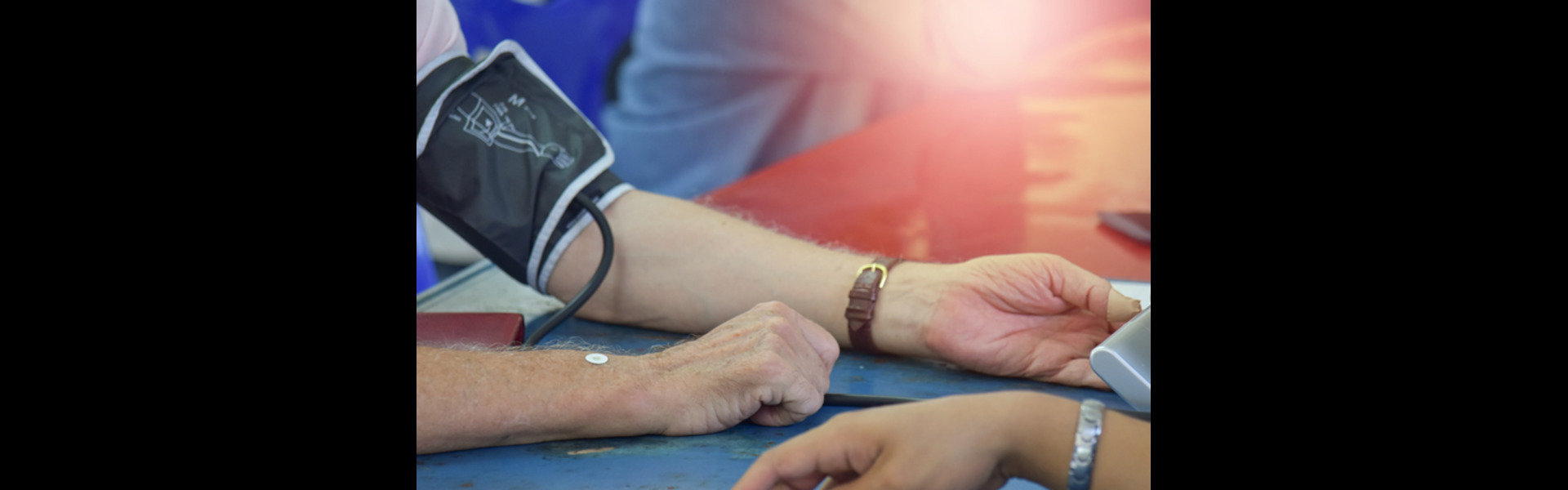
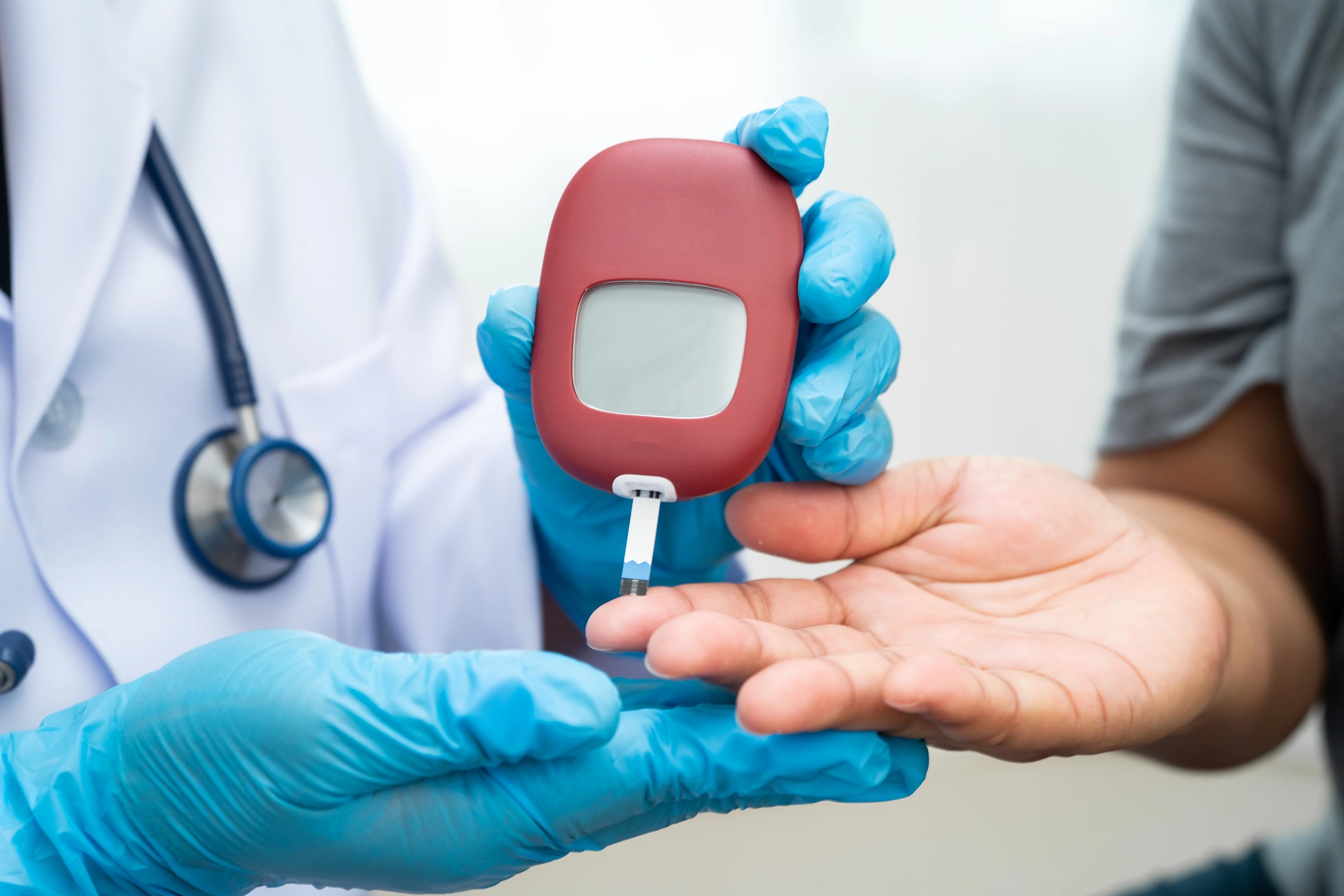
- Monitor blood sugar and blood pressure regularly
- Wear loose, light-colored, breathable clothing
- Limit excess tea, coffee, and alcohol, which may worsen dehydration
- Store medications and insulin properly, away from heat
- Eat light, balanced meals and avoid skipping meals
- Never ignore symptoms like weakness, dizziness, confusion, or unusual fatigue
I am especially concerned about elderly individuals and patients with uncontrolled diabetes or hypertension, as they are more vulnerable to serious heat-related complications.
Family members should also check regularly on elderly relatives during heatwaves to ensure they remain hydrated and safe.
Conclusion
Staying safe during summer is extremely important for patients with diabetes and high blood pressure. Early precautions, proper hydration, regular monitoring, and timely medical guidance can help prevent serious complications during heatwaves.
If you or your loved ones are experiencing fluctuating sugar levels, dehydration, fatigue, or blood pressure concerns this summer, expert guidance can make all the difference. Connect with experienced diabetes care specialists in Thane for personalised care, preventive advice, and long-term health management.
Frequently Asked Questions (FAQ)
Yes. Dehydration during hot weather can concentrate glucose in the bloodstream, leading to higher blood sugar levels.
High blood sugar causes frequent urination, which results in excessive fluid loss and increases the risk of dehydration.
Yes. Excessive heat can cause dehydration and put additional stress on the heart, making blood pressure harder to control.
Insulin should be stored in a cool environment and protected from direct sunlight or excessive heat to maintain effectiveness.
Symptoms may include dizziness, weakness, excessive thirst, blurred vision, sweating, nausea, confusion, and fluctuating sugar levels.
Contact Details
Name: Horizon Prime Hospital in Thane
Address: Vibgyor, Ghodbunder Rd, near Hiranandani Estate, behind Ritu Nissan Showroom, B Wing, Patlipada, Thane West, Thane, Maharashtra 400607
Phone: 022 6855 6855
Website: prime.horizonhospital.com