
Benefits of Laparoscopic Surgery | Horizon Prime Hospital
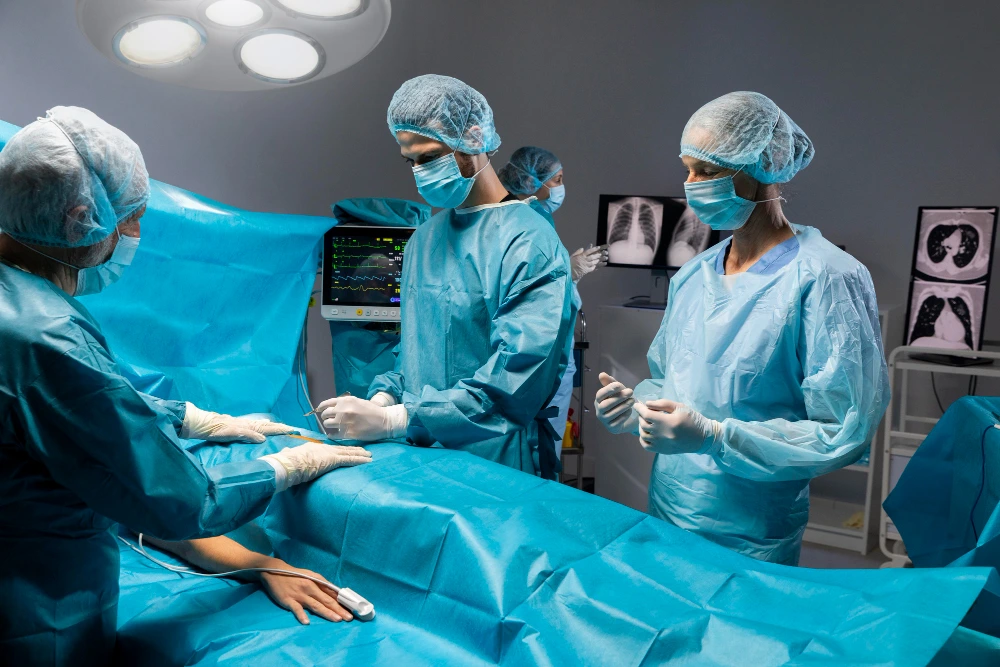
Surgical techniques have advanced significantly over the years, offering patients safer and more effective treatment options. One of the most important developments in modern medicine is laparoscopic surgery, also known as minimally invasive surgery. Understanding the benefits of laparoscopic surgery can help patients make informed decisions about their treatment and recovery.
Laparoscopic surgery is widely used across multiple specialties, including general surgery, gynecology, urology, and orthopedics. It allows surgeons to perform complex procedures through small incisions using advanced instruments and a camera, resulting in better outcomes and faster healing.
This detailed guide explains the benefits of laparoscopic surgery, how it works, conditions treated, and why it is often preferred over traditional open surgery.
What Is Laparoscopic Surgery?
Laparoscopic surgery is a minimally invasive surgical technique where procedures are performed through small incisions, usually ranging from 0.5 to 1.5 cm.
Key Components of Laparoscopic Surgery:
- Laparoscope: A thin tube with a high-resolution camera and light source
- Small surgical instruments inserted through tiny incisions
- Video monitor that guides the surgeon during the procedure
Unlike open surgery, which requires large cuts, laparoscopic surgery minimizes trauma to surrounding tissues.
How Laparoscopic Surgery Works
The procedure typically involves:
- Making small incisions in the abdomen or targeted area
- Inserting carbon dioxide gas to create space for visibility
- Introducing the laparoscope to view internal organs
- Performing surgery using specialized instruments
- Closing incisions with minimal sutures
This technique forms the foundation of many of the benefits of laparoscopic surgery experienced by patients.
Major Benefits of Laparoscopic Surgery
1. Smaller Incisions and Minimal Scarring
One of the most noticeable benefits of laparoscopic surgery is the use of very small incisions.
Advantages:
- Reduced visible scarring
- Better cosmetic outcomes
- Lower risk of wound complications
This is especially important for patients concerned about post-surgical appearance.
2. Less Postoperative Pain
Because laparoscopic surgery avoids large cuts and muscle dissection, patients usually experience significantly less pain after surgery.
Why Pain Is Reduced:
- Minimal tissue damage
- Less nerve involvement
- Smaller wound surface area
As a result, patients often require fewer pain medications.
3. Faster Recovery and Healing
Faster recovery is one of the most important benefits of laparoscopic surgery for patients and caregivers.
Recovery Benefits Include:
- Shorter hospital stays
- Quicker return to daily activities
- Earlier resumption of work and exercise
In many cases, patients can go home within 24–48 hours.
4. Reduced Risk of Infection
Smaller incisions significantly lower the risk of surgical site infections.
Reasons for Lower Infection Risk:
- Less exposure of internal organs
- Smaller wounds to heal
- Reduced blood loss
This contributes to safer surgical outcomes and fewer complications.
5. Minimal Blood Loss During Surgery
Laparoscopic techniques offer better visualization and precise control, resulting in reduced bleeding.
Benefits of Less Blood Loss:
- Lower need for blood transfusions
- Stable postoperative recovery
- Reduced surgical stress on the body
6. Shorter Hospital Stay
Patients undergoing laparoscopic procedures often spend fewer days in the hospital.
Typical Hospital Stay:
- Laparoscopic surgery: 1–3 days
- Open surgery: 5–7 days or more
Shorter hospital stays reduce healthcare costs and improve patient comfort.
7. Lower Risk of Post-Surgical Complications
Another key advantage among the benefits of laparoscopic surgery is the reduced risk of complications.
Commonly Reduced Complications:
- Hernia formation
- Wound infections
- Excessive scarring
- Adhesion development
This leads to improved long-term outcomes.
8. Faster Return to Normal Activities
Because recovery is quicker, patients can resume normal life sooner.
Patients Often Return Faster To:
- Office work
- Household activities
- Light exercise
- Driving
This makes laparoscopic surgery ideal for individuals with active lifestyles.
Laparoscopic Surgery vs Open Surgery
| Feature | Laparoscopic Surgery | Open Surgery |
| Incision size | Small (0.5–1.5 cm) | Large |
| Pain level | Mild to moderate | Moderate to severe |
| Recovery time | Faster | Slower |
| Hospital stay | Short | Longer |
| Infection risk | Lower | Higher |
| Scarring | Minimal | More visible |
Conditions Commonly Treated with Laparoscopic Surgery
Laparoscopic surgery is used for a wide range of medical conditions.
General Surgery:
- Gallbladder removal
- Appendectomy
- Hernia repair
Gynecology:
- Hysterectomy
- Ovarian cyst removal
- Endometriosis treatment
Urology:
- Kidney stone surgery
- Prostate procedures
Gastrointestinal Conditions:
- Acid reflux surgery
- Intestinal surgeries
- Colorectal procedures
The expanding use highlights the growing benefits of laparoscopic surgery across specialties.
Is Laparoscopic Surgery Safe?
Yes. Laparoscopic surgery is considered safe when performed by trained and experienced surgeons.
Safety Advantages:
- Enhanced magnified visualization
- Precise surgical movements
- Reduced trauma to organs
Patient selection and surgeon expertise play a vital role in ensuring optimal results.
Who Is an Ideal Candidate for Laparoscopic Surgery?
Most patients can benefit from laparoscopic surgery, but suitability depends on:
- Overall health condition
- Type and stage of disease
- Previous surgeries
- Body weight and anatomy
Your surgeon will evaluate whether the benefits of laparoscopic surgery apply to your specific condition.
Possible Risks and Limitations
Although the benefits of laparoscopic surgery are numerous, it may not be suitable for everyone.
Potential Limitations:
- Longer operative time in complex cases
- Conversion to open surgery if complications arise
- Limited suitability in advanced disease stages
However, these risks are relatively low with modern technology and experienced teams.
Pre-Surgery Preparation for Laparoscopic Procedures
Patients are usually advised to:
- Undergo pre-operative tests
- Avoid eating or drinking before surgery
- Inform doctors about medications
- Stop smoking if advised
Proper preparation enhances the benefits of laparoscopic surgery and reduces risks.
Post-Surgery Care and Recovery
After laparoscopic surgery, patients may experience:
- Mild discomfort
- Temporary bloating
- Shoulder pain due to gas used
Recovery Tips:
- Walk gently to improve circulation
- Follow medication instructions
- Maintain a healthy diet
- Attend follow-up appointments
Most symptoms resolve quickly.
Long-Term Outcomes of Laparoscopic Surgery
Long-term outcomes are often better compared to open surgery.
Benefits Include:
- Lower recurrence rates for certain conditions
- Better cosmetic satisfaction
- Reduced chronic pain
These long-term benefits of laparoscopic surgery contribute to improved quality of life.
Why Laparoscopic Surgery Is the Future of Surgical Care
With continuous advancements in medical technology, laparoscopic techniques are becoming more precise and widely available.
Future Advantages:
- Robotic-assisted laparoscopic surgery
- Improved imaging systems
- Enhanced patient safety
Minimally invasive surgery continues to redefine modern healthcare.
Conclusion
The benefits of laparoscopic surgery make it one of the most preferred surgical approaches today. From smaller incisions and less pain to faster recovery and reduced complications, laparoscopic surgery offers significant advantages over traditional open surgery.
For patients seeking effective treatment with minimal disruption to daily life, laparoscopic surgery represents a safe, efficient, and patient-friendly option. With expert surgical teams and advanced infrastructure, Horizon Prime is dedicated to delivering high-quality minimally invasive surgical care focused on patient comfort, safety, and successful outcomes.
Name: Horizon Prime Hospital
Contact: 022-6855 6855
For Emergencies (24×7 Emergency & Critical Care):022-6855 6835
Website: prime.horizonhospital.com
Address: Vibgyor, B-Wing, Patlipada, Ghodbunder Road, Near Hiranandani Estate, Behind Ritu Nissan Showroom Thane (W), Maharashtra 400607