
Symptoms of Kidney Failure: Early Warning Signs You Should Never Ignore
Kidney failure is a serious medical condition that occurs when the kidneys lose their ability to filter waste and excess fluids from the blood effectively. Because early symptoms of kidney failure can be subtle or mistaken for other health problems, many patients are diagnosed only after significant kidney damage has occurred.
Understanding the symptoms of kidney failure is essential for early detection, timely treatment, and prevention of life-threatening complications. In this comprehensive guide, we explain early and advanced symptoms, causes, risk factors, stages, diagnosis, treatment options, and when to seek medical care.
Understanding Kidney Failure
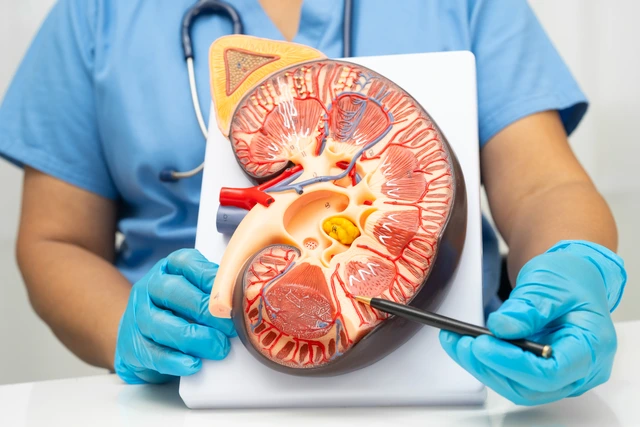
The kidneys are two bean-shaped organs located on either side of the spine. Their primary functions include:
- Filtering waste products from the blood
- Balancing fluids and electrolytes
- Regulating blood pressure
- Producing hormones for red blood cell production
- Maintaining bone health
When kidney function declines significantly, waste accumulates in the body, leading to various symptoms.
Types of Kidney Failure
There are two main types:
| Type | Description |
| Acute Kidney Failure (AKI) | Sudden loss of kidney function, often reversible |
| Chronic Kidney Disease (CKD) | Gradual loss of kidney function over months or years |
Recognizing symptoms of kidney failure early can prevent progression to end-stage renal disease.
Early Symptoms of Kidney Failure
In the initial stages, symptoms may be mild or vague.
1. Fatigue and Weakness
One of the most common symptoms of kidney failure is persistent tiredness.
Why it happens:
- Accumulation of toxins in the blood
- Reduced red blood cell production (anemia)
- Electrolyte imbalance
Patients often feel:
- Low energy
- Difficulty concentrating
- General weakness
2. Changes in Urination
Since kidneys regulate urine production, changes may include:
- Increased urination, especially at night
- Decreased urine output
- Foamy or bubbly urine (indicating protein)
- Dark-colored urine
- Blood in urine
Any persistent change in urination requires medical evaluation.
3. Swelling (Edema)
Fluid retention is a hallmark symptom.
Common areas affected:
- Feet
- Ankles
- Legs
- Hands
- Face
This occurs because failing kidneys cannot remove excess fluid effectively.
4. Shortness of Breath
Fluid buildup in the lungs or anemia may cause:
- Difficulty breathing
- Chest tightness
- Fatigue during minimal exertion
5. Nausea and Vomiting
Toxin buildup (uremia) can lead to:
- Loss of appetite
- Nausea
- Vomiting
- Metallic taste in mouth
Advanced Symptoms of Kidney Failure
As kidney function worsens, symptoms become more severe.
1. Persistent Itching
High levels of waste in the bloodstream can cause:
- Severe itching
- Dry skin
- Irritation without visible rash
2. Muscle Cramps
Electrolyte imbalance, particularly low calcium or high potassium, may result in:
- Painful muscle cramps
- Weakness
- Twitching
3. Chest Pain
Fluid accumulation around the heart lining (pericardial effusion) can cause:
- Chest discomfort
- Pressure sensation
4. Confusion and Mental Changes
Severe toxin buildup may lead to:
- Confusion
- Difficulty concentrating
- Drowsiness
- In severe cases, seizures
5. Severe High Blood Pressure
Kidney failure both causes and worsens hypertension.
Uncontrolled blood pressure accelerates kidney damage.
Summary Table: Symptoms of Kidney Failure
| Early Symptoms | Advanced Symptoms |
| Fatigue | Confusion |
| Urine changes | Severe itching |
| Swelling | Chest pain |
| Nausea | Muscle cramps |
| Shortness of breath | Seizures |
Causes of Kidney Failure
The most common causes include:
- Diabetes (leading cause)
- High blood pressure
- Chronic kidney infections
- Polycystic kidney disease
- Autoimmune diseases
- Severe dehydration
- Certain medications
- Urinary tract obstruction
Managing underlying conditions significantly reduces risk.
Risk Factors for Developing Symptoms of Kidney Failure
Individuals at higher risk include:
- Diabetic patients
- People with hypertension
- Family history of kidney disease
- Older adults
- Heart disease patients
- Obese individuals
- Long-term NSAID users
Regular screening is essential for high-risk groups.
Stages of Chronic Kidney Disease
Chronic kidney disease progresses in five stages based on Glomerular Filtration Rate (GFR).
| Stage | GFR Level | Kidney Function |
| Stage 1 | Normal GFR | Mild damage |
| Stage 2 | Slight decrease | Mild loss |
| Stage 3 | Moderate decrease | Moderate damage |
| Stage 4 | Severe decrease | Severe damage |
| Stage 5 | Kidney failure | Dialysis or transplant needed |
Symptoms often appear in Stage 3 or later.
How Is Kidney Failure Diagnosed?
If symptoms of kidney failure are suspected, doctors recommend:
1. Blood Tests
- Creatinine levels
- Blood urea nitrogen (BUN)
- Electrolyte levels
2. Urine Tests
- Protein levels
- Blood in urine
- Urine output measurement
3. Imaging Tests
- Ultrasound
- CT scan (if necessary)
4. Kidney Biopsy (In Select Cases)
Helps determine cause of kidney damage.
Treatment Options for Kidney Failure
Treatment depends on severity and underlying cause.
1. Lifestyle and Medical Management (Early Stages)
- Blood pressure control
- Blood sugar management
- Low-sodium diet
- Protein restriction
- Medication adjustment
2. Dialysis
When kidneys fail completely, dialysis removes waste and excess fluid.
Types:
- Hemodialysis
- Peritoneal dialysis
3. Kidney Transplant
Best long-term solution for eligible patients with end-stage kidney failure.
Preventing Kidney Failure
Prevention focuses on managing risk factors.
Key preventive steps:
- Control diabetes
- Maintain healthy blood pressure
- Stay hydrated
- Limit salt intake
- Avoid unnecessary painkiller use
- Exercise regularly
- Quit smoking
- Schedule routine kidney function tests
When to See a Doctor
Seek medical care if you experience:
- Persistent swelling
- Reduced urine output
- Unexplained fatigue
- Blood in urine
- Severe nausea
- Shortness of breath
- Sudden high blood pressure
Early medical attention can slow or prevent kidney damage.
Complications of Untreated Kidney Failure
If left untreated, symptoms of kidney failure can lead to:
- Heart disease
- Fluid overload
- Severe electrolyte imbalance
- Bone disorders
- Anemia
- Life-threatening infections
Timely intervention prevents serious complications.
Frequently Asked Questions
Can kidney failure develop without symptoms?
Yes. Early stages often have no noticeable symptoms.
Is kidney failure reversible?
Acute kidney failure may be reversible if treated promptly. Chronic kidney failure is usually progressive but manageable.
How often should high-risk individuals get tested?
At least once a year, or more frequently as advised by a doctor.
Can diet help manage kidney disease?
Yes. Proper dietary management slows disease progression.
Conclusion
Understanding the symptoms of kidney failure can help patients seek early medical care and prevent life-threatening complications. Symptoms such as fatigue, swelling, urine changes, nausea, and shortness of breath should never be ignored.
Kidney failure may develop gradually, but with early detection, proper treatment, and lifestyle management, progression can be slowed significantly.
If you or a loved one are experiencing possible symptoms of kidney failure, schedule a consultation at Horizon Prime Hospital. Our experienced nephrology team offers comprehensive diagnostic evaluation, advanced treatment options, and compassionate care to support your kidney health at every stage.
Name: Horizon Prime Hospital
Contact: 022-6855 6855
For Emergencies (24×7 Emergency & Critical Care):022-6855 6835
Website: prime.horizonhospital.com
Address: Vibgyor, B-Wing, Patlipada, Ghodbunder Road, Near Hiranandani Estate, Behind Ritu Nissan Showroom Thane (W), Maharashtra 400607