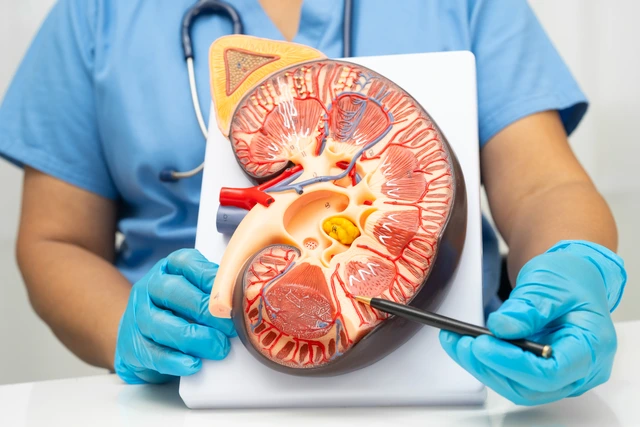


Causes of Kidney Failure and When You May Need a Kidney Transplant
Causes of Kidney Failure and When You May Need a Kidney Transplant
Kidneys play a vital role in maintaining overall health by filtering waste, balancing fluids, and regulating essential minerals in the body. When the kidneys lose their ability to function properly, it can lead to a serious condition known as kidney failure. Understanding the causes of kidney failure is crucial for early detection, prevention, and timely treatment.
In this comprehensive guide, we will explore the major causes of kidney failure, symptoms, risk factors, treatment options, and when a kidney transplant becomes necessary.
What is Kidney Failure?
Kidney failure, also known as renal failure, occurs when one or both kidneys can no longer effectively filter toxins and waste products from the blood. This can result in the buildup of harmful substances in the body, leading to life-threatening complications.
There are two main types:
1. Acute Kidney Failure (AKI)
- Develops suddenly (within hours or days)
- Often reversible with prompt treatment
2. Chronic Kidney Disease (CKD)
- Progresses gradually over months or years
- Can eventually lead to permanent kidney failure (end-stage renal disease)
Major Causes of Kidney Failure
Understanding the causes of kidney failure can help in early diagnosis and effective management. Below are the most common causes:
1. Diabetes (Diabetic Nephropathy)
Diabetes is one of the leading causes of kidney failure worldwide.
- High blood sugar damages kidney blood vessels over time
- Reduces the kidneys’ filtering ability
- Can lead to protein leakage in urine
Key Risk Factors:
- Poorly controlled blood sugar
- Long-standing diabetes
2. High Blood Pressure (Hypertension)
Uncontrolled hypertension is another major contributor.
- Damages small blood vessels in the kidneys
- Reduces blood flow and kidney efficiency
- Often coexists with diabetes
3. Glomerulonephritis
This condition involves inflammation of the kidney’s filtering units (glomeruli).
- Can be caused by infections, autoimmune diseases, or unknown factors
- May lead to chronic kidney disease if untreated
4. Polycystic Kidney Disease (PKD)
A genetic disorder characterized by fluid-filled cysts in the kidneys.
- Causes enlargement of kidneys
- Gradually reduces kidney function
5. Obstruction of the Urinary Tract
Blockages can damage kidneys if left untreated.
Common Causes:
- Kidney stones
- Enlarged prostate
- Tumors
6. Severe Infections and Sepsis
Infections can spread to the kidneys and impair their function.
- Can cause acute kidney failure
- Requires urgent medical attention
7. Prolonged Use of Certain Medications
Some drugs can harm kidney function when used excessively.
Examples:
- Painkillers (NSAIDs)
- Certain antibiotics
- Contrast dyes used in imaging
8. Dehydration and Blood Loss
Severe dehydration or significant blood loss can reduce blood flow to the kidneys, leading to sudden kidney failure.
Summary Table: Causes of Kidney Failure
| Cause | Type | Impact on Kidneys |
| Diabetes | Chronic | Damages blood vessels |
| High Blood Pressure | Chronic | Reduces kidney efficiency |
| Glomerulonephritis | Acute/Chronic | Inflammation of filters |
| Polycystic Kidney Disease | Chronic/Genetic | Cyst formation |
| Urinary Obstruction | Acute/Chronic | Blocks urine flow |
| Infections (Sepsis) | Acute | Sudden kidney damage |
| Medications | Acute/Chronic | Toxic effects |
| Dehydration/Blood Loss | Acute | Reduced blood supply |
Early Signs and Symptoms of Kidney Failure
Recognizing early symptoms can help prevent progression. Common signs include:
- Fatigue and weakness
- Swelling in legs, ankles, or feet
- Reduced urine output
- Shortness of breath
- Nausea and vomiting
- Loss of appetite
- Persistent itching
- Difficulty concentrating
In advanced stages:
- Chest pain
- High blood pressure
- Confusion
- Severe fluid retention
Risk Factors You Should Not Ignore
Certain individuals are at higher risk of developing kidney failure:
- People with diabetes
- Individuals with high blood pressure
- Family history of kidney disease
- Smokers
- Obese individuals
- Elderly population
- Patients with heart disease
How is Kidney Failure Diagnosed?
Early diagnosis plays a key role in managing the causes of kidney failure effectively.
Common Diagnostic Tests:
- Blood tests (creatinine, urea levels)
- Urine analysis
- Imaging tests (ultrasound, CT scan)
- Kidney biopsy (in certain cases)
Treatment Options for Kidney Failure
Treatment depends on the severity and underlying causes of kidney failure.
1. Medications
- Control blood pressure and blood sugar
- Reduce symptoms like swelling
2. Lifestyle Changes
- Healthy diet (low sodium, low protein in some cases)
- Regular exercise
- Avoid smoking and alcohol
3. Dialysis
A life-saving procedure when kidneys can no longer function.
Types:
- Hemodialysis
- Peritoneal dialysis
Dialysis helps:
- Remove waste
- Balance electrolytes
- Control fluid levels
When You May Need a Kidney Transplant
A kidney transplant is often recommended in cases of end-stage kidney failure.
What is a Kidney Transplant?
It is a surgical procedure where a healthy kidney from a donor is placed into a patient whose kidneys have failed.
Indications for Kidney Transplant:
You may need a transplant if:
- Kidney function drops below 15%
- Dialysis is no longer effective
- Quality of life is severely affected
- Frequent complications from kidney failure
Benefits of Kidney Transplant:
- Better quality of life
- Freedom from regular dialysis
- Improved energy and overall health
- Longer life expectancy compared to dialysis
Risks Involved:
- Organ rejection
- Infection risk
- Lifelong medication requirement
Preventing Kidney Failure
While not all causes are preventable, many can be managed with healthy habits.
Prevention Tips:
- Control blood sugar levels
- Maintain healthy blood pressure
- Stay hydrated
- Avoid excessive use of painkillers
- Follow a balanced diet
- Get regular health check-ups
- Exercise regularly
When to See a Doctor?
Seek medical attention if you experience:
- Persistent swelling
- Changes in urination
- Severe fatigue
- Uncontrolled blood pressure
- Symptoms of diabetes
Early intervention can significantly reduce the risk of kidney failure.
Conclusion
Understanding the causes of kidney failure is essential for early diagnosis, prevention, and effective treatment. Conditions like diabetes, hypertension, infections, and genetic disorders are among the leading contributors. Recognizing symptoms early and adopting a healthy lifestyle can help protect kidney function.
For patients with advanced kidney disease, treatment options such as dialysis and kidney transplant offer hope and improved quality of life. If you or your loved ones are at risk, timely medical consultation can make a significant difference.
Contact Details
Name: Horizon Prime Hospital in Thane
Address: Vibgyor, Ghodbunder Rd, near Hiranandani Estate, behind Ritu Nissan Showroom, B Wing, Patlipada, Thane West, Thane, Maharashtra 400607
Phone: 022 6855 6855
Website: prime.horizonhospital.com